Water extraction in Fort Worth is the first step after any water loss: standing water is pulled out with truck-mounted or portable extractors, then air movers and dehumidifiers dry the structure to verified moisture readings. Speed matters because water keeps moving while it sits, soaking into drywall, under flooring and inside wall cavities, and the longer materials stay wet, the more of them will need to be removed rather than dried. Extraction does not include repairs: it removes the water and sets up the drying, and repairs follow only once moisture readings confirm the structure is dry. The contractor checks the affected rooms with moisture meters before choosing the equipment, so the work targets the water that has travelled out of sight as well as the water on the floor. If your home has standing water now, call {{PHONE}} and describe where the water is and whether it is still spreading.
How Water Extraction Works
Extraction starts with finding where the water has travelled, not just where it is visible. Water spreads along floors, under skirting boards, into wall cavities and beneath flooring, so the contractor checks the affected rooms with moisture meters before choosing the equipment. Visible water is removed first, then water trapped in carpet, underlay and porous materials is pulled out with the same equipment, and the rooms are checked again to see what is left.
The work moves room by room, from the worst-affected area outward. Furniture is lifted or moved out of the water where that can be done safely, rugs are rolled back, and any items sitting in water are moved to a dry area. The aim at this stage is to remove as much water as possible as quickly as possible, because every hour of standing water is more migration into materials. Once the visible water is gone, the drying phase begins, and the drying guide explains what happens next and why it takes the time it does.
Truck-Mounted vs Portable Extraction
Two kinds of extractor do most of this work, and the choice depends on the job. Truck-mounted extractors are the larger machines: the unit stays in the van outside, hoses run into the house, and the machine pulls water out at a higher rate than a portable unit can manage. They suit larger volumes of water and larger areas, such as a flooded ground floor, because they can keep working without stopping to empty a tank.
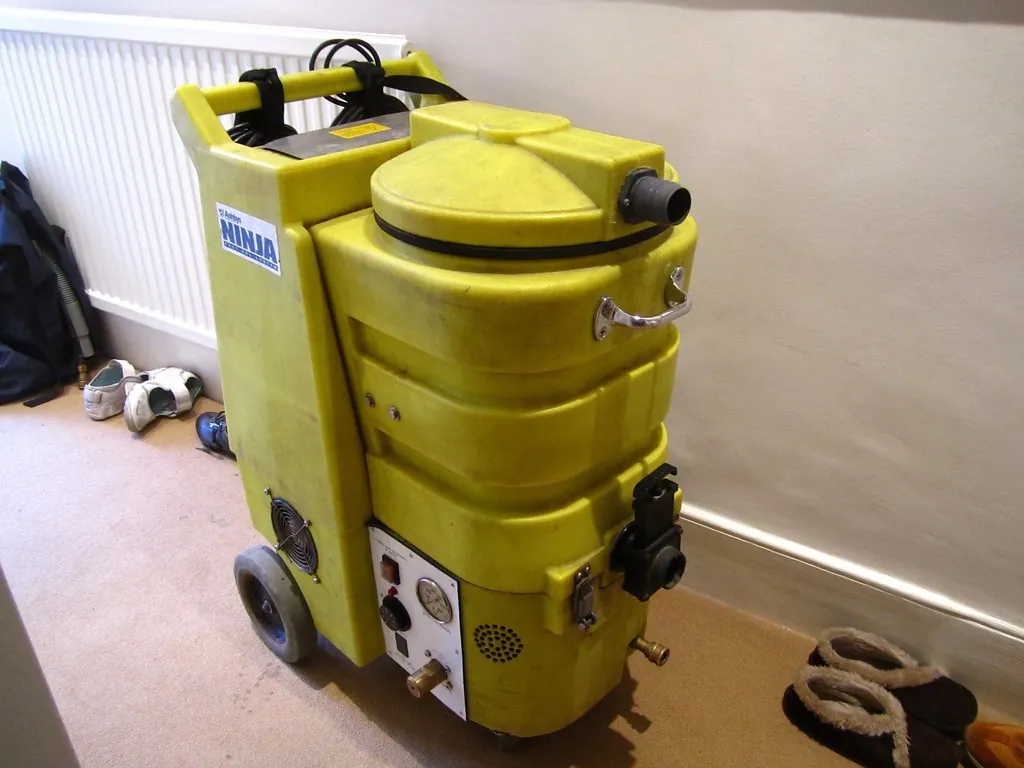
Portable extractors are smaller, self-contained units that are carried into the room and used where a truck-mounted hose cannot easily reach, such as an upstairs room, a flat with no nearby parking, or a small area with a modest amount of water. They are also used for the detailed work after the main extraction, pulling water from carpet edges, corners and other places the larger hose cannot reach. A third type, the submersible pump, is used where water is deep enough to stand in. The contractor you speak with on the call will ask about the depth and spread of the water, which helps decide what to bring. For situations where water is spreading now, the emergency extraction page explains the urgency and the first steps.
Drying After Extraction
Extraction removes the water you can see; drying removes the water you cannot. Air movers push dry air across wet surfaces, dehumidifiers pull moisture out of that air, and the two work together over days to bring walls, floors and framing back to their normal moisture level. Equipment is placed to move air through the wet areas, including inside wall cavities where a flood cut has been made, and it is left running rather than switched on and off.
Moisture readings are taken at the start and repeated through the drying period. A wall that feels dry to the touch can still be damp inside, and a floor that looks dry can still hold moisture underneath, so the readings are what decide whether drying is finished. This is the moisture-verification rule that runs through every service on this site: nothing is declared dry because it looks dry. If the water came from a burst pipe or from storm or flood water, the drying stage follows the same rule, though contaminated water adds a removal and disinfection step first.
How Long Drying Takes
Drying commonly takes several days. The exact time depends on how much water got in, which materials are wet, how warm the air is, and how well air is moving through the space. Drywall and carpet dry more quickly than hardwood, plaster and concrete, and a slab that has been wet from below dries more slowly than a floor that was wet from above. A small clean-water leak in one room is a different job from a multi-room flood, and the drying time reflects that.
What matters is not the number of days but the readings. A room that was only lightly affected may dry sooner, but the readings still decide. The contractor takes moisture readings from the wet materials and compares them with readings from dry materials in the same building, and drying continues until the wet readings have come down to the dry standard. Switching the equipment off early, because the surface looks dry or because the noise is tiresome, leaves moisture trapped inside walls and under floors. The drying guide explains what makes drying slower and how the professionals know it is finished.
What Extraction Costs
No prices are published on this site, and extraction is no exception. The cost of a job depends on how much water there is, how many rooms are affected, which water category is involved, which materials need to be removed, and how long drying takes. A small extraction in one room is a different job from a whole-house flood, and a clean-water leak is a different job from contaminated water that needs removal and disinfection.
What you can expect is a written scope for your job, agreed with the contractor before work begins, setting out what will be extracted and dried, what will be removed, and how drying will be verified. Ask for that scope on the call, and ask what it covers and what it does not. The cost guide explains the drivers in more detail, and the Texas insurance guide explains what homeowners policies usually cover and what documentation an insurer will want to see.
Frequently Asked Questions
How much water can a truck-mounted extractor remove?
A truck-mounted extractor moves far more water, and moves it faster, than a portable unit or a household wet-vac, because it runs continuously from the van without stopping to empty a tank. How much it removes on a given job depends on the depth of the water, the size of the area and the surface it is working on. The contractor will ask about the depth and spread of the water on the call, which helps decide which equipment to bring.
Will extraction damage my floors?
Proper extraction should not damage floors, because the method is matched to the surface: carpet, hardwood, tile and concrete are each handled differently. A floor that is already swollen, cupped or coming apart has been damaged by the water itself, not by the extraction, and the contractor will explain what can be dried and what will need to be removed. If you are worried about a particular floor, mention it on the call.
How do I know when my home is actually dry?
You know it from moisture readings, not from how the surface looks or feels. The contractor takes readings from the wet materials with a moisture meter and compares them with readings from dry materials in the same building, and drying continues until the wet readings have come down to the dry standard. A wall can feel dry to the touch while the inside of the cavity is still damp, which is why the readings are the deciding rule.
Can I use my own wet-vac instead of professional extraction?
A household wet-vac can remove surface water from a floor, and it is better than leaving water standing, but it cannot reach the water that has soaked into carpet pad, under flooring or inside wall cavities. That trapped water is what causes most of the lasting damage, and it is also what professional extractors and drying equipment are built to deal with. If the water has gone beyond a small spill on a hard floor, call for extraction rather than relying on a wet-vac alone.
What happens to soaked carpet pad during extraction?
Soaked carpet pad is usually removed, because it holds a large amount of water, dries slowly, and can keep the floor beneath it damp long after the carpet surface looks dry. The carpet itself may be lifted so the pad can be taken out and the floor underneath dried, and whether the carpet can be saved depends on the water category and how long it was wet. Contaminated water changes the answer, and the contractor will explain what applies to your job.
Water damage in Fort Worth? Call now.
One call connects you with an independent local restoration contractor. Help is available day and night.