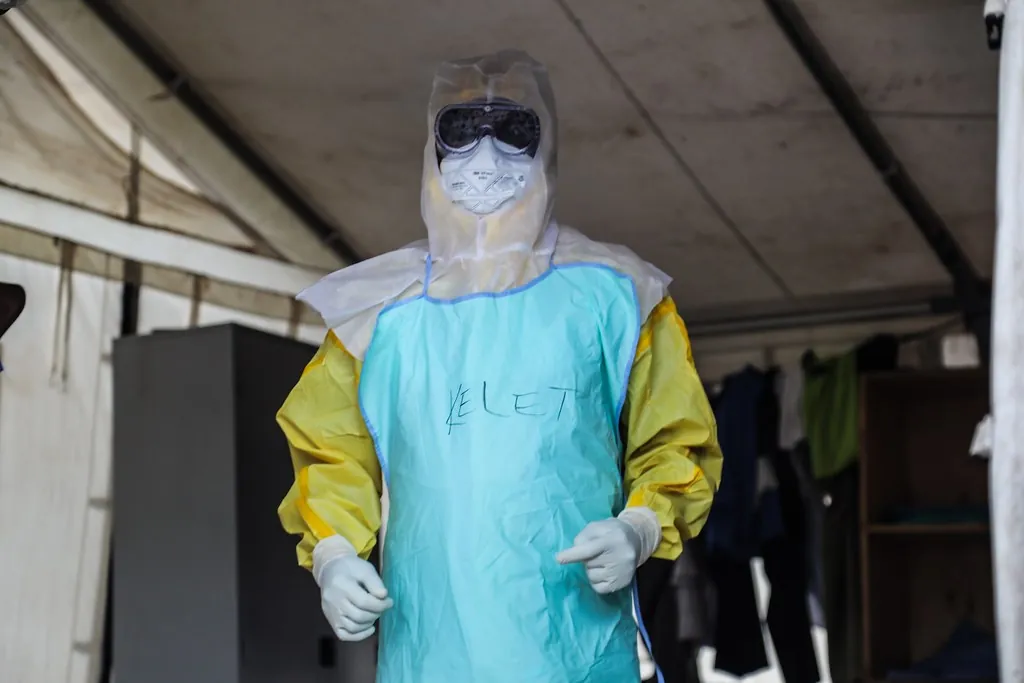
Sewage cleanup in Fort Worth is Category 3 black water work: sewage backup carries bacteria and pathogens, so cleanup means containment, removal of porous materials, disinfection and drying, not a mop and bucket. Stop using water in the house as soon as you notice a backup, because every flush and every tap adds to it, and keep children and pets out of the affected area. The affected fixtures should not be used again until the blockage is cleared and the area has been cleaned. Do not try to clean sewage yourself, and do not touch it with bare hands or walk through it. The affected area is sealed off from the rest of the home while the work goes on, and the crew works in protective equipment throughout. Call {{PHONE}} and describe which drains are affected and whether the backup is still rising.
Why Sewage Is Different: Category 3
Sewage is Category 3 black water, the most contaminated of the three water categories. It carries bacteria, viruses and other pathogens, and contact with it is a health risk, not just a cleaning problem. Children, older people and anyone with a weakened immune system should stay out of the affected rooms entirely until the cleanup is complete. That is why the response to a sewage backup is different from the response to a burst pipe: the first job is to keep people away from it, the second is to contain it, and drying only begins once the contaminated material has been removed and the area disinfected.
Category 3 water also changes which materials can be saved. Porous materials that have absorbed sewage, such as carpet pad, soaked drywall, upholstered furniture and mattresses, are removed rather than cleaned, because disinfection cannot reliably reach everything they have absorbed. Hard, non-porous surfaces can be cleaned and disinfected. The water categories guide explains the three categories, and the sewage backup emergency page covers the first steps when a backup is happening now.
What to Do First
Stop using water in the house. Every flush, every shower and every tap sends more water into the drains, and if the blockage is downstream, that water has nowhere to go except back up into the lowest drain. Tell everyone in the house to stop using water, and do not run the washing machine or the dishwasher until the blockage is cleared.
Keep everyone out of the affected area, especially children and pets, and do not touch the sewage or walk through it. If the backup has reached carpets or soft furnishings, do not try to lift them yourself while the area is still contaminated. If you can do so without entering the contaminated area, open a window for ventilation, but do not try to mop or vacuum the sewage yourself, and do not use a household vacuum on it. Photograph the backup from a safe distance before anything is moved, because those photographs support an insurance claim. Then call {{PHONE}} and describe which fixtures are affected. The sewer stoppage guide explains how to tell whether the blockage is in the city main or in your own lateral, and who to call first in each case.
Containment and Removal
Containment comes first. The affected area is sealed off from the rest of the home with sheeting, so that contaminated air and water do not spread into clean rooms, and the crew works in protective equipment, including suits, gloves and respirators. Standing sewage is extracted with equipment that is kept separate from clean-water work, and the waste is disposed of as contaminated material. Ventilation is kept running where it can be done safely, and the crew checks neighbouring rooms for any spread before the containment is set.
Removal follows containment. Porous materials that have absorbed sewage are taken out: carpet pad, the lower section of soaked drywall, insulation that has been wetted, and any soft furnishings that cannot be reliably disinfected. Hard surfaces and structural materials that can be cleaned are kept. The aim is to remove everything that holds contamination, so that disinfection can reach the surfaces underneath. The extraction and drying page explains the extraction equipment, though sewage work uses its own procedures and protective measures throughout.
Disinfection and Drying
Once contaminated material is removed, the remaining surfaces are cleaned and disinfected with antimicrobial treatment. This is not a surface wipe: the treatment is applied to the surfaces that were in contact with the sewage, including the floor, the lower walls and any structural materials that were exposed, and it is given time to work before drying begins. Any item that cannot be disinfected reliably is removed with the other contaminated material rather than left in the room. The room is checked again after treatment to see whether anything was missed.
Drying then follows the same rule as every other service on this site: air movers and dehumidifiers dry the structure, and moisture readings decide when it is finished. Drying commonly takes several days, and a sewage job can take longer than a clean-water job of the same size, because more material has been removed and the structure underneath needs time to dry. The area is not put back into use until cleaning, disinfection and drying are all complete, and the drying guide explains how the professionals know drying is finished.
Insurance and Sewer Responsibility
Two questions decide who pays for a sewage backup: what your policy covers, and where the blockage is. Many homeowners policies do not cover sewage backup unless a specific endorsement has been added, so check your policy documents rather than assuming you are covered. If you are covered, the insurer will want the same documentation as any other water loss: photographs taken before cleanup, a list of damaged items, and receipts for spending that follows the loss.
Responsibility for the blockage itself depends on where it is. A blockage in the city main is the city's responsibility, while a blockage in the private lateral that runs from your home to the main is the homeowner's responsibility. If the blockage turns out to be in the city main, the city clears it, but the cleanup inside your home still sits with you and your insurer. The sewer stoppage guide explains how to tell the difference and who to call first, and the Texas insurance guide explains the endorsement question in more detail. Keep the photographs and the list even if you are unsure about coverage, because they are needed either way.
Frequently Asked Questions
Is a small sewage backup safe to clean myself?
No. Even a small sewage backup is Category 3 black water, which carries bacteria and pathogens, and cleaning it without protective equipment and proper disinfection puts you at risk. A mop and household cleaner cannot reliably disinfect porous materials, and the water can spread contamination to areas that look clean. Leave sewage cleanup to a crew with protective equipment and containment procedures.
What items must be thrown away after a sewage backup?
Porous items that have absorbed sewage are usually removed: carpet pad, the lower section of soaked drywall, wetted insulation, upholstered furniture, mattresses and any soft furnishings that cannot be reliably disinfected. Hard, non-porous items can often be cleaned and disinfected, depending on how much contact they had with the sewage. The crew will explain what can be saved and what must go for your job.
How long does sewage cleanup take?
It depends on how far the sewage spread, how many rooms are affected and which materials need to be removed. Containment, removal and disinfection come before drying, and drying itself commonly takes several days, with moisture readings deciding when it is finished. A small backup in one bathroom is a different job from a backup that has spread across a ground floor, and the contractor will talk through the stages on the call.
Will my insurance cover a sewage backup?
It depends on your policy. Many homeowners policies do not cover sewage backup unless a specific endorsement has been added, so check your policy documents rather than assuming you are covered. Photograph the backup before cleanup, keep a list of damaged items and keep receipts, because the insurer will want that documentation either way. The Texas insurance guide explains the endorsement question in more detail.
How do I stop a sewage backup from happening again?
Start with what goes down the drains: do not flush wipes, even ones labelled flushable, and do not pour grease down the sink, because both contribute to blockages. Have the lateral checked if backups keep happening, and ask a plumber about a backwater valve, which is designed to stop sewage flowing back into the house. The sewer stoppage guide explains how to tell whether the blockage is in the city main or in your own lateral.
Water damage in Fort Worth? Call now.
One call connects you with an independent local restoration contractor. Help is available day and night.