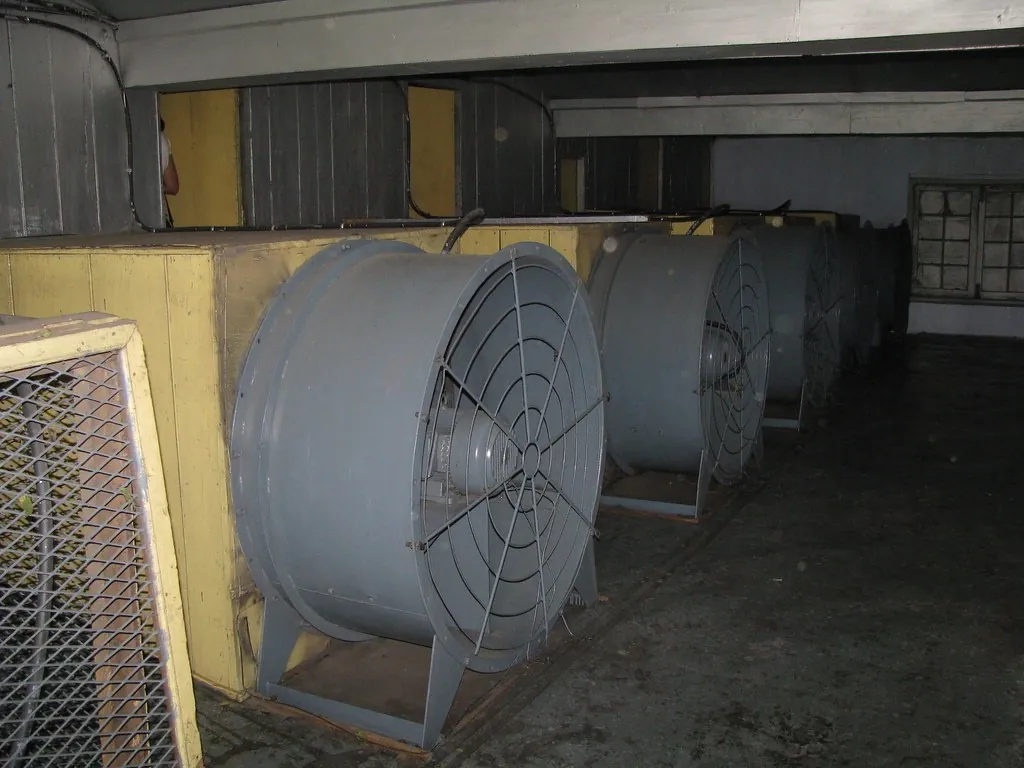
How long does water damage take to dry in Fort Worth? The short answer is that drying commonly takes several days with professional equipment, and the exact time depends on how much water there was, what it soaked into and how quickly extraction started. A single room with a clean-water leak dries faster than a whole floor that sat under flood water, and hardwood, plaster and concrete all dry more slowly than standard drywall. The rule that decides when drying is finished is not the calendar and not how a wall feels: it is the moisture reading. A professional crew keeps air movers and dehumidifiers running until readings show the structure is genuinely dry, and that is the only proof that counts. This guide explains what makes drying slower, how each material dries, and when drying alone is not enough.
The Short Answer
For most homes, drying commonly takes several days with professional drying equipment in place. That is the honest range: a small, clean-water leak caught early can dry in a few days, while a larger loss, a slab leak that went unnoticed, or a flooded floor can take considerably longer. Weather matters too: Fort Worth humidity slows drying, and a closed-up house in summer dries differently from a house with air moving through it.
Be suspicious of anyone who promises a fixed drying time before they have taken a moisture reading. The amount of water, the materials involved and the weather all change the answer, and the only reliable way to know is to measure. A crew that gives you a single number on the phone has not seen your house. The water extraction and drying page explains the equipment that does the work.
What Makes Drying Slower
Several things stretch a drying job out. The first is time: water that sat for a day before extraction started has soaked deeper than water that was pulled out within the hour, and it takes longer to come back out. The second is volume: a whole floor takes longer than a single room, and water that reached wall cavities and subfloors takes longer than water that stayed on the surface.
- Contaminated water, such as sewage or flood water, means porous material is removed rather than dried, which changes the job rather than just slowing it.
- Hidden water behind walls, under flooring or in insulation dries slowly because air cannot reach it until it is exposed.
- Cool, humid weather slows evaporation, while warm, dry air speeds it up.
- Turning the equipment off early, or opening windows into humid air, can undo a day of drying.
The crew's daily readings show whether drying is progressing or stalling, and if a room is not responding, the usual answer is to expose the wet material, for example by removing skirting or cutting a section of drywall, rather than waiting longer.
Drying by Material
Different materials dry at very different speeds, and knowing that helps you understand why one room finishes before another. Standard drywall dries relatively well if the water has not wicked too high, but once it has soaked and softened it usually has to be cut out. Plaster, common in the older homes of the Near Southside and Fairmount, dries more slowly than drywall and needs patience, but it can often be saved where drywall cannot.
Hardwood floors are the slowest common material: they cup and buckle if they dry unevenly, so they are dried gradually with careful monitoring, and some boards may still need replacing. Carpet usually dries, but the pad underneath it often does not, and soaked pad is usually removed. Concrete slabs dry slowly and hold moisture for a long time, which is why a slab leak can keep a floor damp for weeks after the leak is fixed. Tile and vinyl shed surface water easily, but water trapped underneath them has to be drawn out or the flooring lifted.
How Pros Know It Is Dry
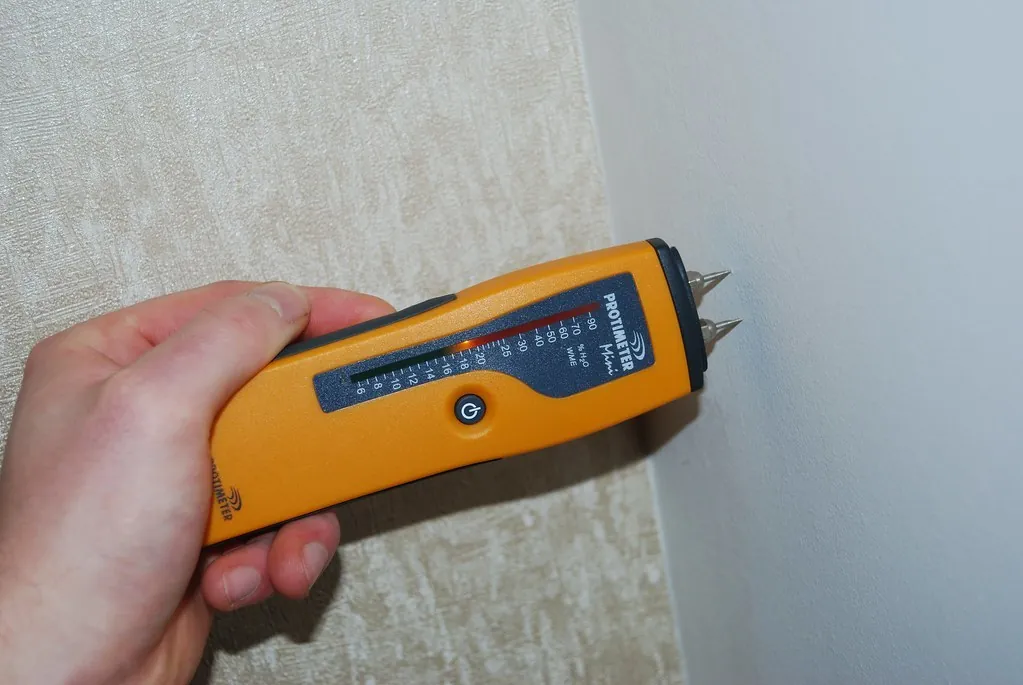
Professionals do not guess. They use moisture meters, pin and pinless, to measure the moisture content of walls, floors and wood, and they compare the readings against dry material elsewhere in the same house, or against a known dry standard for that material. Thermal imaging can show cold, damp patches behind a surface that looks dry. Readings are taken daily, written down, and the drying log becomes the record of the job.
The touch test is not a test. A wall can feel dry on the surface while the cavity behind it is still wet, and a floor can look dry while the subfloor is holding moisture. That hidden moisture is what causes mould, odours and warped flooring months later, so the readings matter more than the appearance. Ask the crew to show you the readings and explain them: a good crew will. The guide to choosing a restoration company lists this as one of the questions worth asking before you hire anyone.
When Drying Is Not Enough
Sometimes drying is not the answer, and recognising that early saves time. Drywall that has wicked water high up the wall, crumbled, or started to smell musty usually has to be cut out so the cavity behind it can dry. Carpet pad that has soaked through rarely dries cleanly and is usually removed. Insulation that has absorbed water loses its performance and is usually replaced. Hardwood that has cupped badly may not flatten again even when it is dry.
Contaminated water changes the rule entirely: porous material that has touched sewage or flood water is removed rather than dried, because it cannot be reliably disinfected. And if the source of the water has not been fixed, whether a pipe, a roof or a slab leak, drying is pointless until it is: the water will simply come back. If a room is not responding to drying after several days, the answer is almost always to expose the wet material, not to wait longer. Read the first-hour guide for what to do when you first find a leak, and the hardwood floors guide for the save-or-replace decision in detail.
Water damage in Fort Worth? Call now.
One call connects you with an independent local restoration contractor. Help is available day and night.