Fort Worth water damage FAQs: the answers to the questions homeowners here ask most, in plain language. How much does restoration cost, how long does drying take, what does insurance cover, what happens with mold after a leak, and what counts as an emergency are all covered below. Each answer is short and points to the page that covers the topic in depth, so you can read the summary here and the detail there. If your question is not answered here, the services pages explain each type of water damage, and the guides cover first-hour steps, drying times, insurance and Texas mold rules.
Costs and Insurance
Cost is the first question for most homeowners, and it is also the hardest to answer without seeing the job. No prices are published on this site, because the cost of a job depends on how much area is wet, which water category is involved, which materials are affected and how long drying takes. What the site can do is explain the drivers, so you know what to ask about when you call. The cost guide breaks those drivers down, and the Texas insurance guide explains what homeowners policies usually cover and what they usually do not.
Drying and Repairs
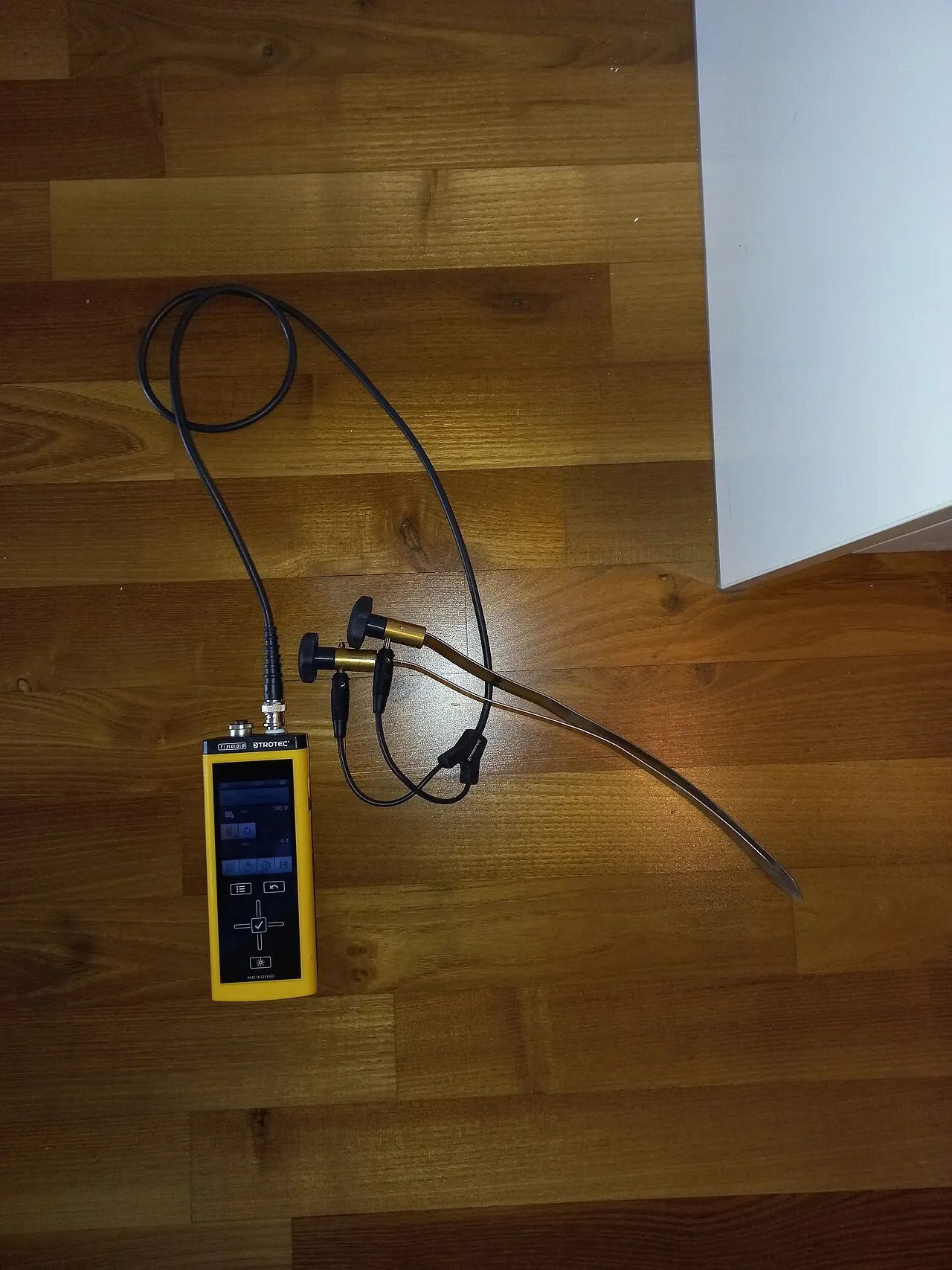
Drying is the part of the job that takes the most patience. Extraction removes the standing water in hours, but drying the structure underneath commonly takes several days, and the only reliable way to know it is finished is a moisture reading, not how the surface looks or feels. Repairs wait until drying is confirmed, because rebuilding over damp materials stores up trouble. The drying guide explains what slows drying down, and the extraction and drying page explains the equipment and the moisture-verification rule.
Mold After a Leak
Mold is the worry that follows almost every leak, and the honest answer is that it depends on how long materials stay damp. Prompt extraction and drying reduce the risk, but no one can say for certain that mold will never appear, and Texas treats mold assessment and mold remediation as separate jobs. The questions below give the short version; the Texas mold rules guide explains the rules in full, and the extraction and drying page explains why drying speed matters.
Emergencies
An emergency is water that is spreading now, sewage backing up, a ceiling sagging under pooled water, or flooding near power. In those cases the first steps are the same: stop the water if you can do so safely, stay clear of water near power, photograph the damage, and call. The emergency water damage page routes you to the right help for your situation, and the first-hour guide walks through the steps in order.
Frequently Asked Questions
How much does water damage restoration cost in Fort Worth?
No prices are published on this site, because cost depends on the size of the wet area, the water category, the materials involved and how long drying takes. A small clean-water leak in one room costs far less to deal with than a multi-room flood with contaminated water, and the only reliable figure is a written scope for your job. The cost guide explains the drivers in detail so you know what to ask about when you call.
What should a written scope include before work begins?
A written scope should list the rooms and materials affected, what will be extracted and dried, what will be removed because it cannot be saved, and how drying will be verified with moisture readings. It should also make clear which work sits with the restoration contractor and which sits with another trade, such as a plumber. The guide to choosing a restoration company explains what to check before you agree to anything.
Does homeowners insurance pay for drying equipment?
It depends on your policy and on the cause of the loss. Drying is usually treated as part of the claim when the underlying loss is covered, such as a sudden burst pipe, but the insurer will want to see documentation and may send an adjuster. Photograph everything before cleanup and keep a list of damaged items, and read the Texas insurance guide for the sudden-versus-gradual distinction that decides many claims.
How long will drying take in my home?
Drying commonly takes several days, and the exact time depends on how much water got in, which materials are wet and how the air is moving through the space. Hardwood, plaster and concrete all dry more slowly than drywall and carpet, and a slab leak can take longer still. The deciding rule is moisture readings, not the calendar, and the drying guide explains what slows the process down.
Will my walls and floors need to be removed?
Not always. Clean-water damage in drywall and flooring can sometimes be dried in place, but floodwater-soaked drywall is usually removed because it is contaminated and wicks water upward, and soaked carpet pad is usually removed because it holds water and dries slowly. The contractor checks moisture levels and the water category before deciding, and the extraction and drying page explains how those decisions are made.
Can I stay in my home while drying equipment runs?
It depends on the extent of the damage, the water category and which rooms are affected. Clean-water drying in one room is often manageable, though the equipment is noisy and the air feels warm and dry, while sewage contamination or damage across the whole home may make staying put impractical. The contractor you speak with can advise for your situation, and the blog post on staying home during restoration covers the practical questions to ask.
Will mold grow after any water leak?
Not inevitably, but the risk rises the longer materials stay damp, which is why extraction and drying start as soon as possible. A small leak that is found and dried promptly is a different matter from a slow leak that has kept a wall cavity damp for weeks. No one can say for certain that mold will never appear after a leak, and the Texas mold rules guide explains the timeline and the rules that apply once mold is suspected.
Who handles mold testing after a leak in Texas?
Texas rules treat mold assessment and mold remediation as separate jobs, so the company that tests for mold is not the company that carries out the remediation on the same project. That separation exists so the assessment stays independent. The Texas mold rules guide explains how the split works and what to do after a leak, and your restoration contractor can explain how drying fits alongside it.
What counts as a water emergency?
Water that is spreading through your home now, sewage backing up into a drain or fixture, a ceiling sagging under pooled water, or flooding that has reached power outlets or the electrical panel all count as emergencies. A slow drip into a bucket or a stain that has been there for weeks is still worth a call, but it is not the same urgency. The emergency page explains what to do first in each situation and which help to ask for.
What is Category 3 water, and why does it matter?
Category 3 water, also called black water, is water that carries sewage or other contaminants — from a sewer backup or flood water that has passed over the ground. It is a health hazard, not a mop job: porous materials it soaks usually have to be removed, and the area needs containment, disinfection and drying. The sewage backup cleanup page and the water damage categories post explain all three categories in full.
Water damage in Fort Worth? Call now.
One call connects you with an independent local restoration contractor. Help is available day and night.