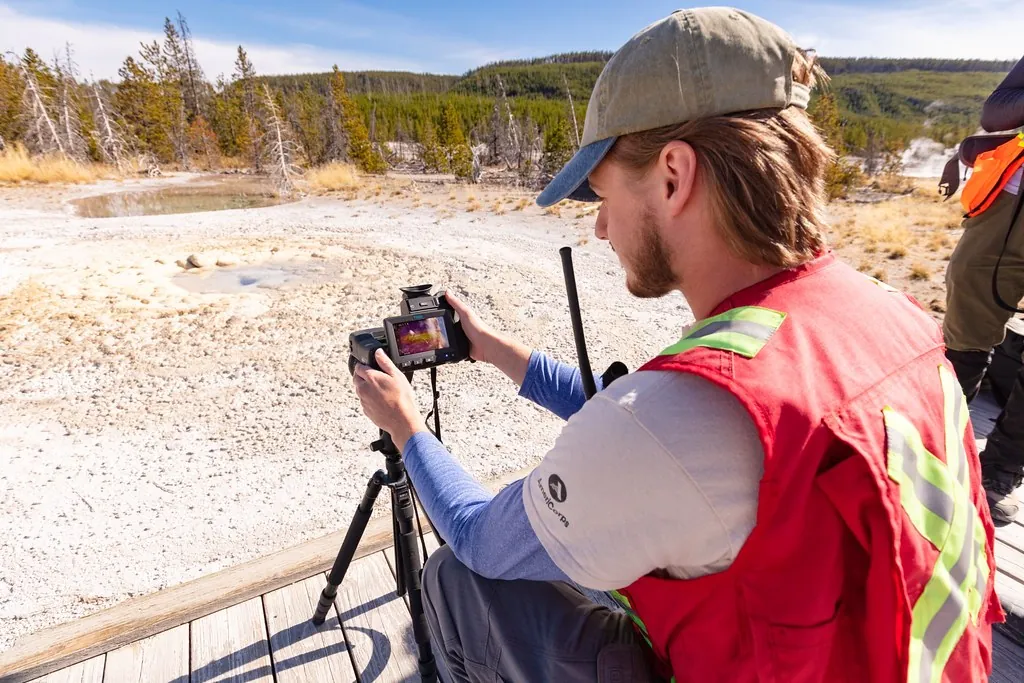
Slab leak repair in Fort Worth starts with the signs, because a slab leak is a water leak under your home's concrete foundation and you cannot see it directly. In Fort Worth, shifting clay soil stresses the pipes beneath slabs, and that movement can crack or loosen a pipe until water escapes under the floor. The warning signs are warm spots on the floor, a water bill that jumps without explanation, damp floors or baseboards, and the sound of running water when nothing is turned on. Once the leak is found and fixed, the work is drying the structure until moisture readings confirm it is dry. Detection uses specialist methods such as thermal imaging and acoustic listening, so the leak can be pinpointed without opening up the whole floor. If you recognise these signs, call {{PHONE}} and describe what you have noticed.
What a Slab Leak Is
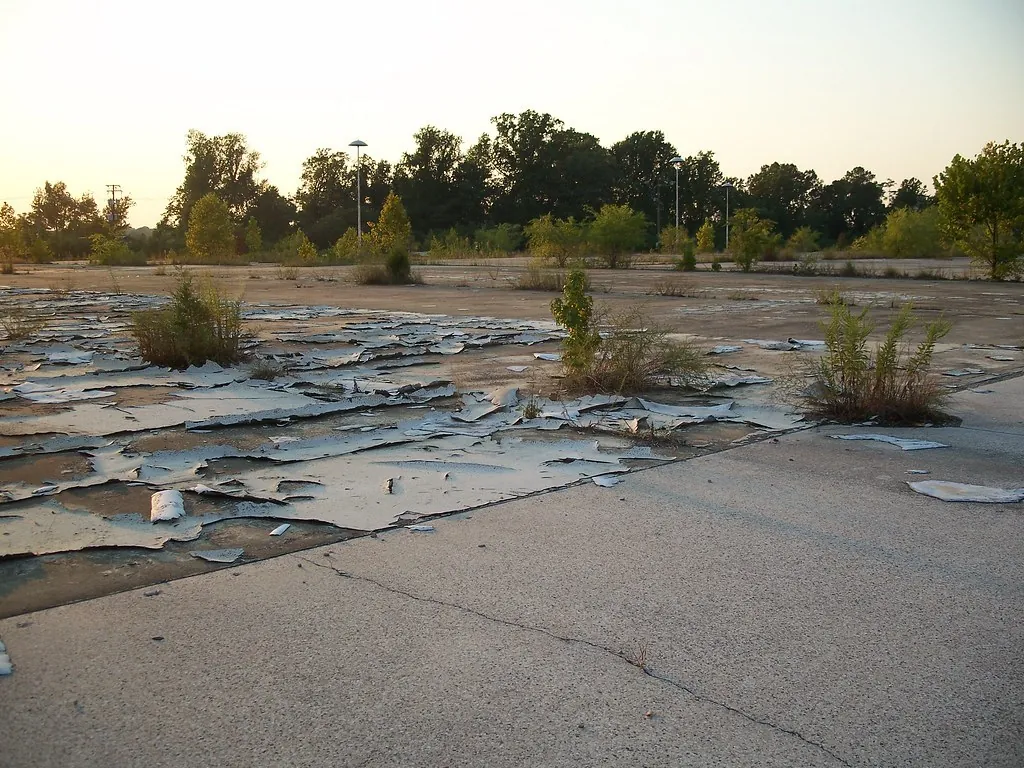
A slab leak is a leak in a water pipe that runs under or through the concrete slab your home sits on. Most Fort Worth homes are built on slabs, with hot and cold water lines running beneath the concrete, so a leak in one of those lines releases water directly under the floor. The water has nowhere to go except into the soil beneath the slab, up through cracks and joints, and into the flooring and walls above.
The Fort Worth connection is the soil. Expansive clay soil swells when it is wet and shrinks when it is dry, and that movement shifts the slab and stresses the pipes beneath it. Over years, the repeated movement can crack a pipe, loosen a joint or wear through a section of pipe where it rubs against the concrete. The clay soil guide explains that connection in more detail, and the slab leak signs guide lists the symptoms to check for.
Signs of a Slab Leak
Warm spots on the floor are the classic sign of a hot-water slab leak: a patch of floor that feels warm underfoot when the heating is off, often in one room and not in the others. A water bill that jumps without any change in how much water you use is another strong sign, because a leak under the slab runs constantly whether or not a tap is open. Damp floors, damp baseboards and a musty smell in a room with no visible leak all point the same way.
Other signs are quieter. The sound of running water when every tap and appliance is off, a water meter that keeps turning when nothing is using water, cracks in the floor or the walls that were not there before, and a patch of lawn or soil that stays damp can all indicate a leak below. No single sign proves a slab leak on its own, and several of them have other causes, but two or more together are worth a call. The slab leak signs guide explains what to check and what to do next.
How Leaks Are Found
Finding a slab leak starts with ruling out the visible causes. The contractor checks taps, toilets, appliances and any visible pipework, then checks the water meter with everything turned off: if the meter is still turning, water is going somewhere it should not be. That test confirms that a leak exists, though not where it is.
Pinpointing the leak uses specialist methods. A thermal camera can show the warm patch left by a hot-water leak, an acoustic listening device can pick up the sound of water escaping under the slab, and pressure testing can narrow down which line is leaking. These methods locate the leak closely enough to plan the repair without opening up the whole floor. Whether leak detection is carried out by the provider or referred to a specialist is a matter for the contractor to confirm on the call, and the extraction and drying page explains what happens once the leak has been found and fixed.
Drying After a Slab Leak
Drying cannot begin until the leak itself is fixed, because water would keep arriving faster than the equipment could remove it. Once the pipe is repaired, the contractor maps the moisture with meters, checking the flooring, the baseboards and the lower walls in the rooms above the leak, because water from below can travel further than the visible damp patch suggests.
Drying then uses air movers and dehumidifiers, as with any other water loss, but a slab leak dries more slowly than a leak from above. Flooring above the leak is checked as drying goes on, because a floor that looks sound can still be holding moisture underneath. Concrete holds water and releases it gradually, and the soil beneath the slab stays damp, so the drying period is longer and the readings are taken over more days. Drying commonly takes several days, and for a slab leak the moisture readings are especially important, because the surface can look dry while the slab underneath is still damp. The drying guide explains the moisture-verification rule that decides when drying is finished.
Repair Options
There are two broad ways to fix a slab leak, and a plumber decides which one fits your home. The first is to break through the slab at the leak, repair the pipe, and restore the concrete and the flooring above it. This is direct and it fixes the pipe where it is, but it means opening up the floor in that spot. The second is to reroute the pipe, abandoning the leaking section under the slab and running a new line through the walls or the attic instead, so the floor is never opened.
Which option is chosen depends on where the leak is, how many leaks there are, the age and condition of the rest of the pipework, and the layout of the home. A single leak in an accessible spot may suit a break-out repair, while repeated leaks or an ageing system may point towards a reroute. Pipe repair is plumber work, not restoration work, and the contractor you speak with will explain how that split applies to your job. Once the pipe is fixed, the restoration work is drying, followed by repairs to the flooring and walls. The slab leak signs guide explains what to do next if you suspect a leak, and the clay soil guide explains why these leaks happen here.
Frequently Asked Questions
How can you tell a slab leak from a normal plumbing leak?
A normal plumbing leak usually shows itself at a fixture, an appliance or a visible pipe, while a slab leak shows itself through signs from below: warm spots on the floor, damp floors or baseboards with no visible source, a water bill that jumps, or the sound of running water when nothing is turned on. The water meter test helps too, because a meter that keeps turning with everything off points to a hidden leak. Detection methods such as thermal imaging and acoustic listening then narrow down where it is.
Do slab leaks always mean breaking up the floor?
No. Breaking through the slab is one repair option, but rerouting the pipe around the leak is the other, and a plumber decides which fits your home. Rerouting abandons the leaking section under the slab and runs a new line through the walls or the attic, so the floor is never opened. The choice depends on where the leak is, how many leaks there are and the condition of the rest of the pipework.
How long can a slab leak go unnoticed?
A slab leak can go unnoticed for weeks or months, because the water escapes under the floor where it cannot be seen. A slow leak may show no sign at all until the water bill jumps, a warm spot appears, or dampness reaches the flooring. That is why a bill that rises without explanation is worth investigating rather than ignoring, and why the signs guide is worth reading if anything about your floors or your bill changes.
Can a slab leak damage my foundation?
A prolonged slab leak can cause damage, because water escaping under the slab erodes the soil beneath it and adds to the movement that Fort Worth's clay soil already causes. How much damage occurs depends on how long the leak runs and how much water escapes, so a suspected leak should be checked promptly rather than left. No one can say in advance how much a particular leak has affected a particular foundation without an in-person assessment.
What does drying look like after a slab leak is fixed?
Drying starts only after the leak is fixed, because water would otherwise keep arriving. The contractor maps the moisture in the flooring, baseboards and lower walls, then sets up air movers and dehumidifiers and takes readings over the following days. A slab leak dries more slowly than a leak from above, because concrete holds water and releases it gradually, and the moisture readings decide when drying is finished.
Water damage in Fort Worth? Call now.
One call connects you with an independent local restoration contractor. Help is available day and night.