Emergency Water Extraction in Fort Worth, TX
Standing water in your Fort Worth home right now? Emergency extraction pulls it out fast so drying can start and damage stops spreading. Cal
A water emergency means water is spreading through your Fort Worth home right now, and every minute it keeps moving it reaches more drywall, more flooring and more of what you own.
A water emergency means water is spreading through your Fort Worth home right now, and every minute it keeps moving it reaches more drywall, more flooring and more of what you own. Emergency water damage in Fort Worth covers the situations that cannot wait for a weekday appointment: a burst pipe, a flooded room, water coming through a ceiling, a sewage backup or a water heater that has let go. The first moves are the same in almost every case. Shut off the main water valve if you can reach it safely, stay out of any water near power outlets, switches or the electrical panel, photograph the damage before anything is moved, and then call. Emergency help is available day and night, so a leak at midnight is handled the same way as a leak at midday. The pages below route you to the right help for your exact situation, from Downtown and the Near Southside to Alliance and Ridglea.
Not every leak is an emergency, but the line is simpler than most people think: if water is actively spreading, or if it creates a safety risk, treat it as one. A burst pipe, a flooded floor, a ceiling that is sagging under the weight of trapped water, sewage coming up through a drain and a water heater emptying itself across a room all count. A slow drip from a tap or a small stain that has been there for weeks can usually wait for a scheduled visit, but it still deserves attention before it becomes the first kind of problem.
When you are unsure, judge by three questions. Is water still coming in? Is it reaching electrical outlets, appliances or the panel? And is it sewage or flood water from outside, which carries contamination? A yes to any of those means call now rather than watching it.
A burst pipe can release a large volume of water in a very short time, and a flooded house needs extraction before anything else can happen. In both cases the order of work is the same: stop the water, make the area safe, get the standing water out, then dry the structure with moisture readings to prove it is dry. Drying commonly takes several days, and repairs come after drying, not instead of it.
If the problem is a split or frozen pipe, start with burst pipe emergency help: the first step is the main shutoff valve, usually near the street meter or where the line enters the house. If a whole room or floor is under water, start with flooded house emergency help, where electrical safety comes first. Either way, emergency water extraction is the step that stops the damage from spreading further.
Water coming through a ceiling and sewage coming up through a drain look very different, but they share one rule: keep people out of the danger zone until someone qualified has looked at it. A sagging ceiling is holding water above it and can come down without warning, so stay clear of the room, put a bucket under the drip if you can do so without standing underneath the bulge, and read the ceiling leak emergency page before you touch anything. Do not puncture a sagging ceiling yourself: the water can come down in a sudden rush, and the ceiling may already be too weak to hold.
Sewage is a different kind of danger. It is Category 3 black water, which carries bacteria and pathogens, so it is a health hazard rather than a cleaning job. The single most important step is to stop using water in the house, because every flush and every tap adds to the backup. Keep children and pets out of the area and read the sewage backup emergency page. A leaking or burst water heater is the third common emergency in this group: shut off the water supply to the unit and then the power if you can do so safely, and see the water heater leak emergency page for the full steps.
There is useful work you can do between the call and the crew arriving. First, make sure the water is off at the main valve or at the fixture, and make sure nobody walks through water that is near power. Second, photograph everything before you move it: wide shots of each room, close-ups of the source if it is visible, and the water line on walls and furniture. Those photos matter for insurance, and you cannot recreate them after cleanup.
Have three facts ready when you call [BRAND NAME] at {{PHONE}}: where the water is coming from if you know, which rooms are affected, and whether the water is clean, grey or sewage. That is enough for the crew to come prepared. Emergency help is available day and night, and the sooner the call is made, the sooner extraction and drying can start.
Standing water in your Fort Worth home right now? Emergency extraction pulls it out fast so drying can start and damage stops spreading. Cal
Burst pipe in Fort Worth? Shut off your main water valve, then call. Emergency help for burst and frozen pipes, extraction and drying. Call
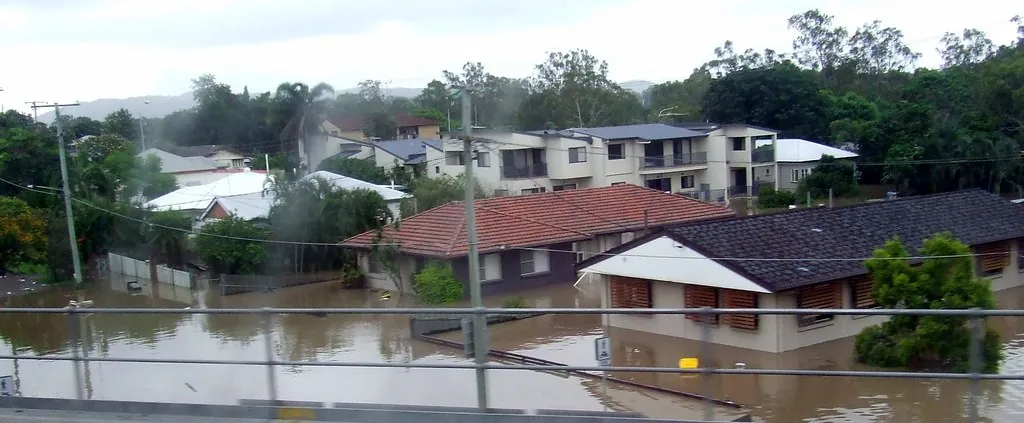
House flooded in Fort Worth? Stay out of water near power, shut off the main if safe, then call for emergency extraction and drying help. Ca
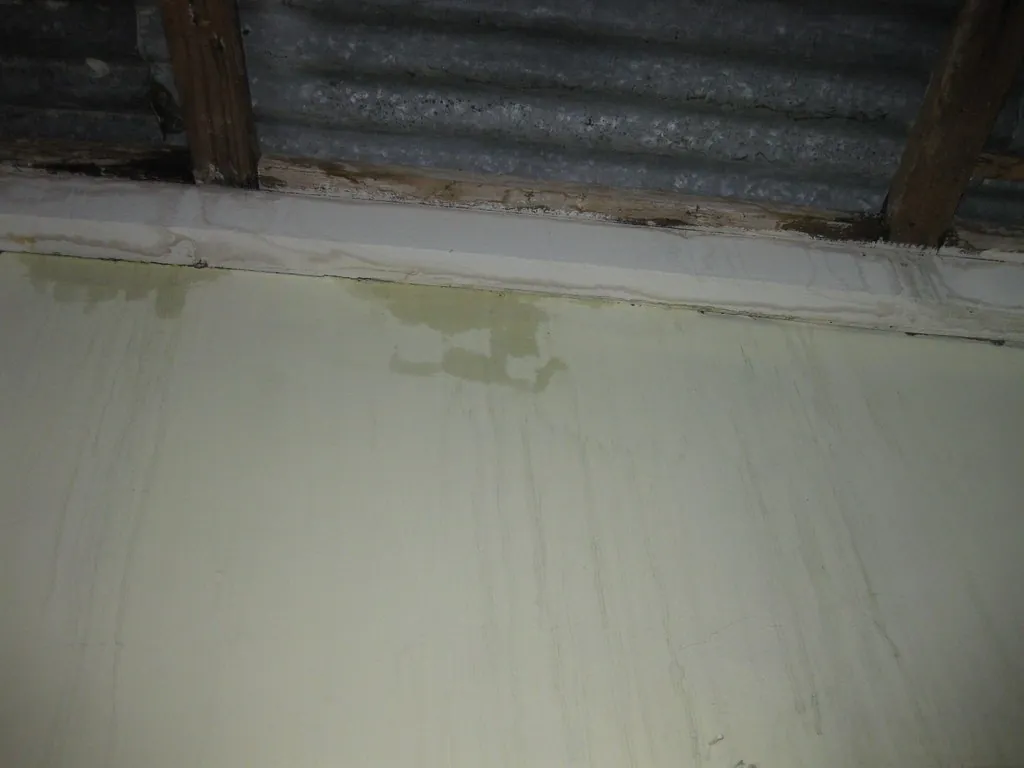
Water coming through your ceiling in Fort Worth? A sagging ceiling can collapse. Stay clear, catch the drip, then call for emergency help. C
Sewage backing up in Fort Worth? Stop using all water, keep everyone out of the area, and call for emergency Category 3 cleanup help. Call n
Water heater leaking or burst in Fort Worth? Shut off water and power to the unit if safe, then call for emergency extraction and drying. Ca
Water damage that cannot wait in Fort Worth? Emergency restoration help for leaks, floods and burst pipes, day or night once confirmed. Call
A water emergency is water that is actively spreading, water near power, or sewage or outside flood water in the home. A burst pipe, a flooded room, a sagging ceiling and a sewage backup all count. A small drip you have stopped, with no spreading and no safety risk, can usually wait for a scheduled visit, but photograph it and keep an eye on it in case it changes.
Call for water damage help first when water is spreading, because extraction and drying are what stop the damage from getting worse. The plumber's job is to fix the pipe, valve or appliance that caused it, and that repair often happens alongside or just after the water is out. When you call, say what the source appears to be and you will be told which trade needs to come first.
Have the source of the water if you know it, the rooms that are affected, whether the water is clean, grey or sewage, and whether you have shut off the main valve. Your address and a callback number matter too. Photos help, but do not delay the call to take them if water is still spreading.
It depends on the situation. Clean water in one room with the power off to that area is usually manageable, but stay out of any room where water is near outlets, switches or the electrical panel, and leave the area entirely if there is sewage, a sagging ceiling or a strong smell of gas. If you feel unsafe at any point, leave and call from outside.
Do not wade through water near power, do not switch on wet appliances, do not use a household vacuum on standing water, do not puncture a sagging ceiling, and do not try to clean up sewage yourself. Do not throw away damaged items before photographing them, since the photos are part of an insurance claim.
One call connects you with an independent local restoration contractor. Help is available day and night.