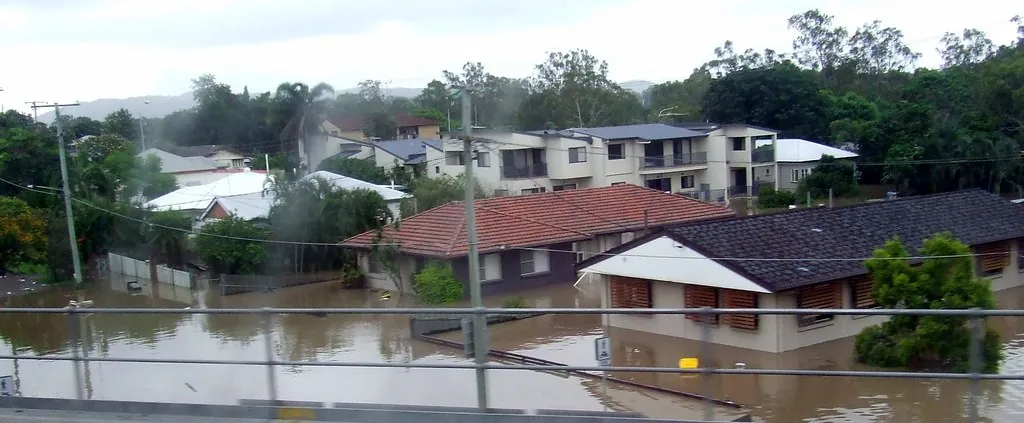
If your house is flooded, stay out of water near outlets, switches or the electrical panel. Shut off power at the breaker if you can do so safely and without wading, and shut off the main water valve if the flooding is coming from inside the house rather than from outside. Only then should you think about the property. A flooded house in Fort Worth needs emergency extraction before anything else: standing water is pulled out, the structure is dried to verified moisture readings, and repairs follow. Flood water from outside is not the same as a clean leak from a pipe, because it may carry contaminants, so the cleanup is different and the precautions are stricter. Emergency help is available day and night. Call [BRAND NAME] at {{PHONE}}, and use the first-hour guide and the insurance guide alongside this page.
Stay Safe First
Electricity is the first danger in a flooded house. Water and power do not mix, and a flooded room can be lethal if the power is still on. Do not walk through water that is near outlets, appliances or the electrical panel. If you can reach the breaker panel from a dry place and shut off power to the affected area, do it. If reaching the panel means wading through water, do not try: leave the house and call for help from outside.
The second danger is contamination. Water that came in from outside, from a storm or from a drain, may carry sewage, chemicals or debris, and it should be treated as contaminated. Keep children and pets out of it, do not touch it with bare hands, and do not try to mop it up yourself. If you smell gas, leave immediately and call your gas provider or emergency services from outside the house. Property can be replaced; the safety rules exist because people cannot.
What to Do in the First Hour
Once everyone is safe and the power is off to the wet area, work through the first hour in order. Shut off the main water valve if the water is coming from inside the house. Photograph everything before you move it: wide shots of each room, close-ups of the water line on walls and furniture, and any damaged belongings. Then move what you can to dry ground, starting with papers, electronics and soft furnishings, and raise furniture legs on blocks if the floor is wet underneath.
- Do not switch on wet appliances or use a household vacuum on standing water.
- Do not throw anything away before photographing it.
- Write down the time you found the flooding and what you shut off.
- Call [BRAND NAME] at {{PHONE}} and say which rooms are flooded and whether the water came from inside or outside.
If the flooding came from outside, note the water level and whether it is still rising. Do not drive through flooded streets to reach the house, and do not re-enter a house that has standing water near the electrical panel until it has been checked. The full step-by-step version of this hour is in the first-hour guide.

Extraction and Drying
Extraction comes first. Submersible pumps handle deeper water, and truck-mounted or portable extractors pull out what remains, including water trapped under flooring and behind skirting. Flood water from outside is handled differently from clean water: porous materials that have soaked it up, such as carpet pad and the lower sections of drywall, are usually removed rather than dried, because they cannot be reliably cleaned. The crew works in protective gear and the affected area is contained so contamination does not spread to dry rooms.
Drying follows extraction. Air movers and dehumidifiers run until moisture readings show the structure is dry, and drying commonly takes several days. Flooded homes take longer than a single-room leak, because the water has usually reached more material and sat for longer. Hardwood, plaster and concrete dry slowly, and the equipment stays in place until the readings say the job is done. Repairs come after drying is verified. For the service-side detail, see storm and flood cleanup and emergency water extraction.
Insurance Documentation
Good documentation is the difference between a smooth claim and a disputed one. Photograph the damage before cleanup, keep a list of damaged items with approximate ages and values, and keep every receipt for emergency work, temporary accommodation and replacement items. Save the drying logs the crew produces: moisture readings taken over several days are the proof that the house was dried properly, and insurers ask for them.
Tell your insurer promptly and ask what they need from you before repairs start. Do not authorise permanent repairs until the insurer has had a chance to inspect, unless emergency work is needed to stop further damage. Flood damage and water damage are treated differently by most Texas homeowners policies: sudden leaks from inside the home are usually covered, while rising water from outside usually needs separate flood insurance. The Texas homeowners insurance guide explains the distinction in full, and it is worth reading before you file.
Frequently Asked Questions
Is it safe to walk through flood water in my house?
No, not until you know it is safe. Water near outlets, switches or the electrical panel can be electrified, and flood water from outside may be contaminated. Stay out of it, keep children and pets out, and wait until the power to the area is off and the water has been checked before anyone goes in.
Should I turn off the electricity if my house is flooded?
Yes, if you can do it safely from a dry place. Shut off power to the affected area at the breaker. If you would have to wade through water to reach the panel, do not try: leave the house and call for help. Never touch a breaker or any electrical equipment while standing in water.
What should I save first when my house floods?
Start with people and pets, then papers, photographs, electronics and anything that cannot be replaced. Move soft furnishings and rugs out of the water, and raise furniture legs on blocks. Photograph everything before you move it, so you have a record for insurance even if an item cannot be saved.
How do I document flood damage for insurance?
Photograph every room before cleanup, wide shots and close-ups, including the water line on walls and furniture. List damaged items with approximate ages and values, keep receipts for emergency work and replacements, and save the drying logs with moisture readings. Tell your insurer promptly and ask what they need before repairs start.
When can I move back into a flooded house?
There is no single answer, because it depends on how much water there was, whether it was contaminated, how long drying takes and what repairs are needed. The house should be fully extracted and dried to verified moisture readings, with contaminated material removed, before it is lived in again. A professional can advise on your specific situation, but no one should promise a return date before drying is complete.
Water damage in Fort Worth? Call now.
One call connects you with an independent local restoration contractor. Help is available day and night.