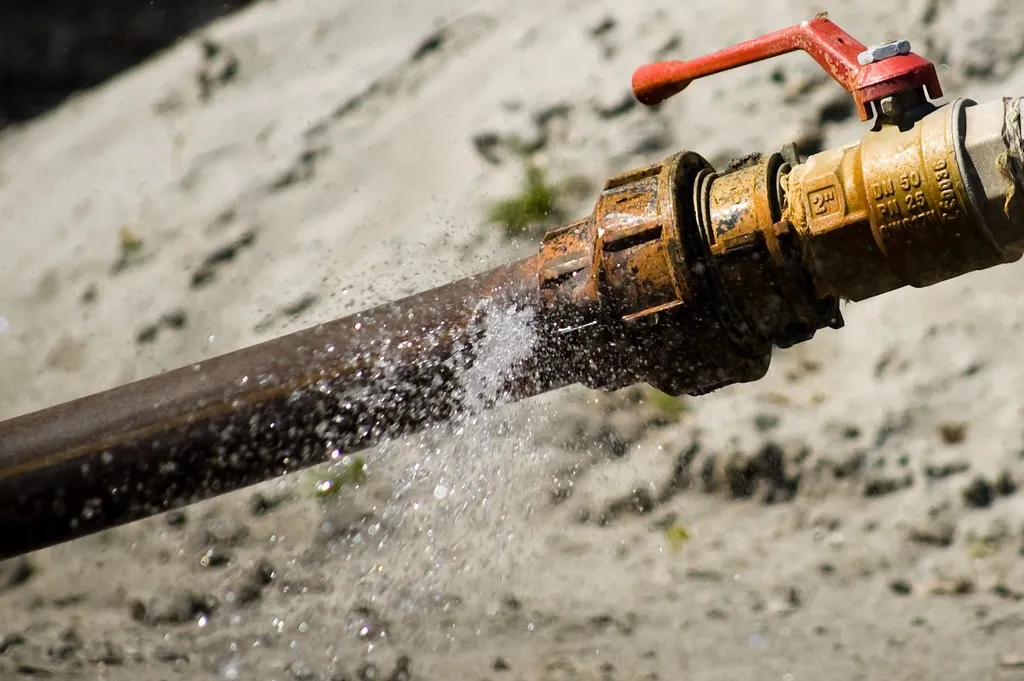
Burst pipe repair in Fort Worth starts with the main water valve: a burst pipe can release gallons per minute, so shut off the main valve first, then call {{PHONE}} for extraction and drying. Pipes burst here for several reasons, not only freezing. A hard freeze can split a pipe in an attic or an exterior wall, high water pressure can stress joints and fittings, and old pipe materials can corrode or weaken over time. Once the water is stopped, the work is extraction of the standing water, drying of the walls and floors until moisture readings confirm they are dry, and repairs to the pipe and to the materials the water reached. A pipe that splits inside a wall can wet the rooms on both sides of it and the floor below, so the first check maps how far the water has travelled.
Why Pipes Burst in Fort Worth
Freezing is the cause most people think of, and Fort Worth has earned that reputation: a hard freeze hit Texas in February 2021, and pipes in attics, garages and exterior walls are the ones that split when temperatures stay below freezing. Water expands as it freezes, and the pressure builds until the pipe gives way, often at a joint or a weak spot. Because many Fort Worth homes run pipes through unheated spaces, a single hard night can cause failures across a neighbourhood.
Freeze is not the only cause. High water pressure strains joints and fittings every day, and over years that strain can turn a small weakness into a split. Age matters too: older pipe materials corrode from the inside, and a pipe that has been weakening for years can fail without any freeze at all. Poor insulation around pipes in attics and exterior walls, and pipes laid against cold surfaces, make a freeze failure more likely. The burst pipe prevention guide explains the steps that reduce the risk, and the burst pipe emergency page covers what to do when a pipe has already split.
What to Do First
Shut off the main water valve first. The valve is usually where the water line enters the house, near the street meter, or in a garage or utility area, and turning it closes off the supply to the whole house. If you cannot find it or cannot turn it, call {{PHONE}} and say so; the contractor will talk through the alternatives, including the shutoff at the street meter. Do not waste time looking for the exact split in the pipe while water is still running.
Next, stay clear of water near power. Do not step into water that has reached outlets, switches or the electrical panel, and do not switch on lights in a flooded room. Photograph the damage before anything is moved, including the rooms affected and any water lines on the walls, then move valuables and soft furnishings out of the water if you can do so safely. The first-hour guide walks through these steps in order, and the extraction and drying page explains what happens once help arrives.
Extraction and Drying
Once the water is stopped, extraction comes first. Standing water is pulled out with truck-mounted or portable extractors, and water that has soaked into carpet, underlay and wall cavities is pulled out with the same equipment. The contractor checks the affected rooms with moisture meters to map how far the water travelled, because a burst pipe in a wall can wet rooms on both sides of it and the floor below.
Drying follows extraction, with air movers and dehumidifiers set up to dry the structure and readings taken over the following days. The contractor also checks rooms below the burst, because water from an upstairs pipe can travel through the floor and wet the ceiling underneath. Where the lower part of a wall is soaked, a flood cut may be made, removing the bottom section of drywall so the cavity behind it can dry; where the water stayed on the surface, drying in place may be enough. Drying commonly takes several days, and moisture readings decide when it is finished. The extraction and drying page explains the equipment and the moisture-verification rule in full.
What Gets Repaired
Two kinds of repair follow a burst pipe: the pipe itself, and the building materials the water reached. The pipe repair sits with a plumber, who replaces the split section and checks the rest of the run for weakness. If the split is in a section of pipe that has corroded along its length, the plumber may advise replacing more than just the split section. The contractor you speak with on the call will explain how that split of work applies to your job, because whether the provider repairs pipes or refers that part out is a matter for the contractor to confirm.
The building repairs wait until drying is confirmed. Drywall that was cut away is replaced, flooring that could not be saved is replaced, and skirting boards, insulation and any other materials that were removed are put back. Painting and finishing come last, once the structure is confirmed dry. If the burst pipe is part of a larger freeze event, the prevention guide is worth reading before the next cold snap, and the Texas insurance guide explains what documentation an insurer will want to see.
Preventing the Next Burst Pipe
Prevention starts with knowing where your pipes run and where your shutoff valve is. Find the main valve before you need it, check that it turns, and make sure everyone in the household knows where it is. Insulate exposed pipes in attics, garages and exterior walls, and pay attention to pipes that run against cold surfaces or through unheated spaces, because those are the ones that freeze first.
When a hard freeze is forecast, the usual steps are to let faucets drip slightly, open cabinet doors under sinks on exterior walls so warm air can reach the pipes, and keep the heating running rather than turning it off overnight. If a pipe does freeze, do not use an open flame to thaw it; warm it gently and watch for leaks as it thaws, because a pipe that split while frozen may only start leaking once the ice melts. The prevention guide covers these steps as a checklist, and the frozen pipes guide explains what to do when a pipe has already frozen.
Frequently Asked Questions
Why do pipes burst in Fort Worth when it rarely freezes?
Fort Worth freezes rarely but hard, and a single hard night is enough: a hard freeze hit Texas in February 2021, and pipes in attics, garages and exterior walls are the ones that split. Freezing is also not the only cause, because high water pressure, ageing pipe materials and corrosion can all cause a pipe to fail in warm weather. A pipe that has been weakening for years does not need a freeze to split.
How do I find my main water shutoff valve?
The main shutoff valve is usually where the water line enters the house, near the street meter, or in a garage or utility area, and it is often a lever or a wheel on the main pipe. Find it before you need it, check that it turns, and make sure everyone in the household knows where it is. If you cannot find it or cannot turn it in an emergency, call and say so, and the contractor will talk through the alternatives.
Can a burst pipe be repaired without tearing out the wall?
Sometimes, but it depends on where the split is and how much access the plumber needs. A pipe in an accessible spot may be repaired through a small opening, while a pipe buried in a wall may need a larger section opened up so the split can be reached and the surrounding material checked. The plumber decides what access is needed, and the restoration contractor handles the drying and the repair of the wall afterwards.
How long after a burst pipe can mold start?
Damp materials can start to support mold growth within a day or two under the right conditions, which is why extraction and drying begin as soon as possible after a burst pipe. A wall cavity that stays damp is the place most at risk, because it is warm, dark and out of sight. Prompt drying reduces the risk, but it cannot rule out mold entirely.
Does a burst pipe always mean the drywall must be cut out?
No. Whether drywall is cut depends on how wet it is, how high the water reached and which water category is involved. Drywall that is only damp on the surface can often be dried in place, while drywall whose lower section is soaked through is usually cut away so the cavity behind it can dry. The contractor checks moisture levels before deciding, and the drying guide explains the difference in more detail.
Water damage in Fort Worth? Call now.
One call connects you with an independent local restoration contractor. Help is available day and night.