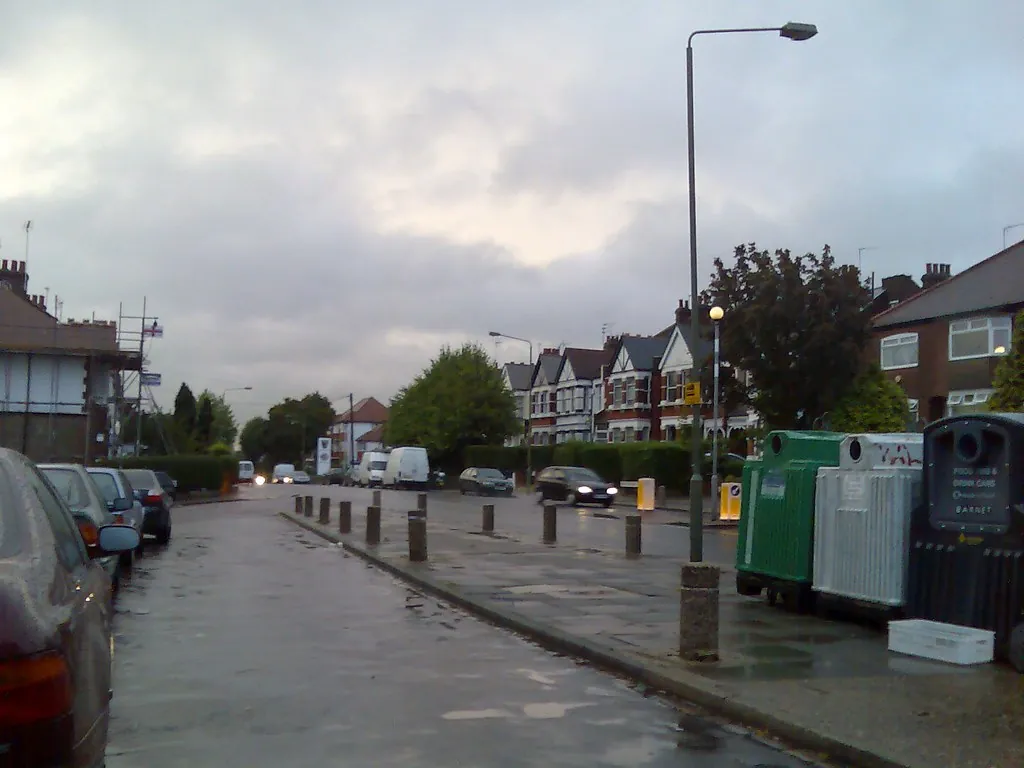
Flood damage in Fort Worth usually means Category 2 or 3 water: storm and flood water may carry contaminants, so cleanup means extraction, removal of what cannot be saved, disinfection and drying. The water gets in through roofs, windows and doors, through overwhelmed drains, and at ground level when heavy rain or flash flooding pushes water across the threshold. Because that water has travelled across roofs, streets and soil, it is treated as contaminated until it is assessed, which changes how the cleanup is done. The cleanup crew assesses the water category on the job rather than assuming it from the weather, because standing water changes category as it sits. If your home has storm or flood water in it now, stay out of water near power, photograph the damage, and call {{PHONE}}.
How Storm Water Gets In
Storm water finds the weakest point in a building. Heavy rain can overwhelm gutters and downspouts, sending water over the edge and against the walls, where it finds its way through window frames, door thresholds and any gap in the exterior. A damaged or ageing roof lets water in from above, and once it is inside the roof space it can travel along framing and appear in a room far from the actual leak. At ground level, heavy rain and flash flooding can push water under doors and through air bricks, and a drain that cannot cope with the volume can back water up into the lowest rooms.
Fort Worth's summer storms can deliver a large amount of rain in a short time, and that short, heavy burst is what overwhelms drainage. The entry point matters because it decides the repair: a roof leak needs a roofer, a drainage problem needs the drainage sorted, and a door threshold needs sealing. The contractor you speak with will ask how the water got in, because that answer shapes the cleanup and the repairs that follow. The storm season guide explains the steps that reduce the risk before the next storm.
Flood Water Categories
Water damage is described in three categories, and the category decides how the cleanup is done. Category 1 is clean water, such as a burst supply pipe or a leaking water heater, and it can often be dealt with by extraction and drying alone. Category 2 is grey water, which has picked up some contamination, such as water from a washing machine or a dishwasher, and it needs cleaning as well as drying. Category 3 is black water, which is heavily contaminated, and it needs containment, removal and disinfection.
Storm and flood water is usually Category 2 or 3. Water that has come in from outside has travelled across roofs, streets and soil, and it may carry soil, chemicals and bacteria; flood water that has mixed with sewage is Category 3. The category is assessed on the job, not assumed from the weather, and it can change if the water has been standing for a while. The water categories guide explains the three categories in more detail, and the sewage backup page covers Category 3 cleanup in full.
Cleanup and Extraction
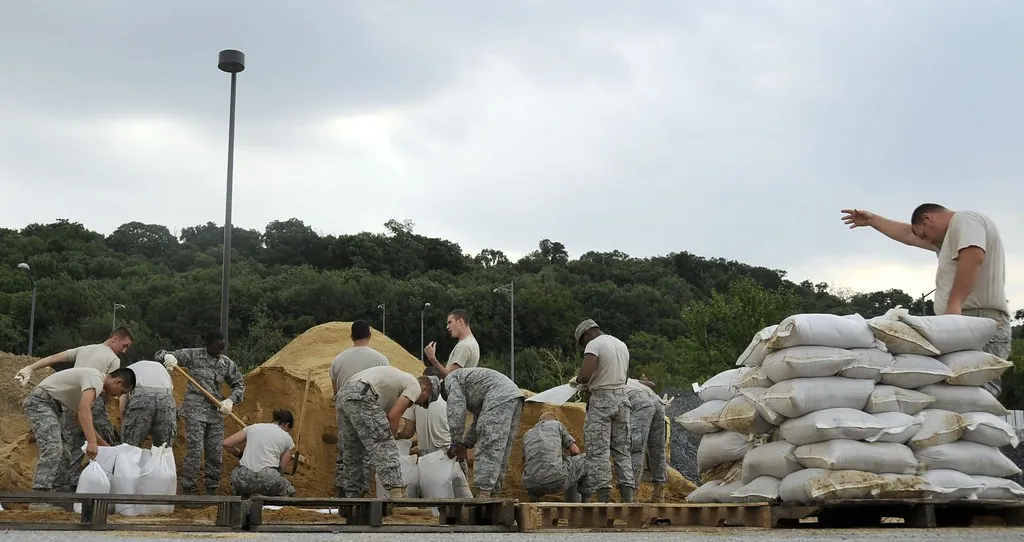
Cleanup starts with safety: stay out of water near outlets, switches or the electrical panel, and do not wade through flood water inside the house if you can avoid it. Photograph every affected room before anything is moved, including water lines on the walls, damaged items and the point where the water came in, because those photographs support an insurance claim. Move valuables out of the water only if you can do so without wading through it.
Extraction then removes the standing water with truck-mounted or portable extractors, and materials that cannot be saved are removed. Floodwater-soaked drywall is usually cut away, because it is contaminated and wicks water upward, and soaked carpet pad is usually removed for the same reason. What can be cleaned is cleaned and disinfected; what cannot is taken out. The extraction and drying page explains the equipment, and the flooded house emergency page covers the first hour when a house is flooded.
Drying and Repairs
Drying follows the same rule as every other service on this site: air movers and dehumidifiers dry the structure, and moisture readings decide when it is finished. Drying commonly takes several days, and flood jobs often take longer than clean-water jobs, because more material has been removed and the structure underneath needs time to dry. Hardwood, plaster and concrete all dry more slowly than drywall, and a floor that was wet from below dries more slowly than one that was wet from above. Furniture and soft furnishings that were standing in flood water are checked separately, because they dry on a different schedule from the structure itself.
Repairs wait until drying is confirmed and the entry point has been dealt with. Drywall and flooring that were removed are replaced, and the source of the water, whether that is a roof, a door threshold or a drain, is repaired so the next storm does not bring the water back in. Roof and drainage repairs sit with the relevant trade, and the contractor you speak with will explain the split for your job. The drying guide explains what makes drying slower and how the professionals know it is finished.
Insurance Documentation
Documentation is part of the cleanup, not an afterthought, and it matters more for flood damage than for almost any other water loss. Photograph the water lines on the walls, every affected room, and each damaged item before anything is moved or cleaned, and keep a written list of what was damaged, including brand and model where you know them. Keep samples of damaged materials if the insurer asks for them, and keep receipts for any spending that follows the loss.
Two distinctions decide most claims. The first is between water damage and flood damage: a sudden leak inside the home is usually treated differently from rising water that came in from outside, and flood water is usually covered only by a separate flood policy. The second is between sudden and gradual damage, because a leak that went unnoticed for a long time is treated differently from one that happened suddenly. The Texas insurance guide explains both distinctions, and the water damage versus flood damage guide covers the same ground in shorter form.
Frequently Asked Questions
Is flood water different from a burst-pipe leak?
Yes. A burst pipe usually releases clean Category 1 water, which can often be dealt with by extraction and drying alone, while flood water that has come in from outside is usually Category 2 or 3 because it has travelled across roofs, streets and soil and may carry contaminants. That difference changes the cleanup: floodwater-soaked materials are more often removed, and disinfection is part of the job. The category is assessed on the job, not assumed.
Can flood-damaged drywall be dried, or must it be removed?
Floodwater-soaked drywall is usually removed, because it is contaminated and because drywall wicks water upward well above the visible water line. Drying it in place would leave contamination and moisture inside the wall. Clean-water damage is different, and drywall that is only damp on the surface can sometimes be dried in place. The contractor checks moisture levels and the water category before deciding.
What should I photograph after a flood for insurance?
Photograph the water lines on the walls, every affected room from several angles, each damaged item, and the point where the water came in, all before anything is moved or cleaned. Keep a written list of damaged items with brand and model where you know them, and keep receipts for any spending that follows the loss. Those photographs and that list are the record your insurer will work from, so take them before the cleanup begins.
How do I know if my home is in a Fort Worth flood zone?
Check the official flood maps rather than guessing from the street or the neighbourhood. The federal flood map service shows the mapped flood zones for an address, and the city holds local floodplain information as well. This site does not reproduce flood maps, because they change and because a map needs to be read for your exact address. If you are buying flood insurance, the insurer will also check the zone for your address.
Do I need flood insurance, or does homeowners cover it?
A standard Texas homeowners policy usually does not cover rising flood water that comes in from outside; that is what a separate flood insurance policy is for. Homeowners policies usually cover sudden water damage from inside the home, such as a burst pipe, which is a different kind of loss. Read the Texas insurance guide on this site for the full distinction, and check your own policy documents before you decide.
Water damage in Fort Worth? Call now.
One call connects you with an independent local restoration contractor. Help is available day and night.