Water Damage Services in Fort Worth, TX
Water damage services in Fort Worth, TX: extraction, drying, burst pipes, flooding, sewage cleanup and slab leaks. One call connects you to
Fort Worth, TX · 32 ZIP codes covered
One call away.
Water damage in Fort Worth? One call connects you with an independent local restoration contractor — extraction, drying and repairs, day and night.
Before and after
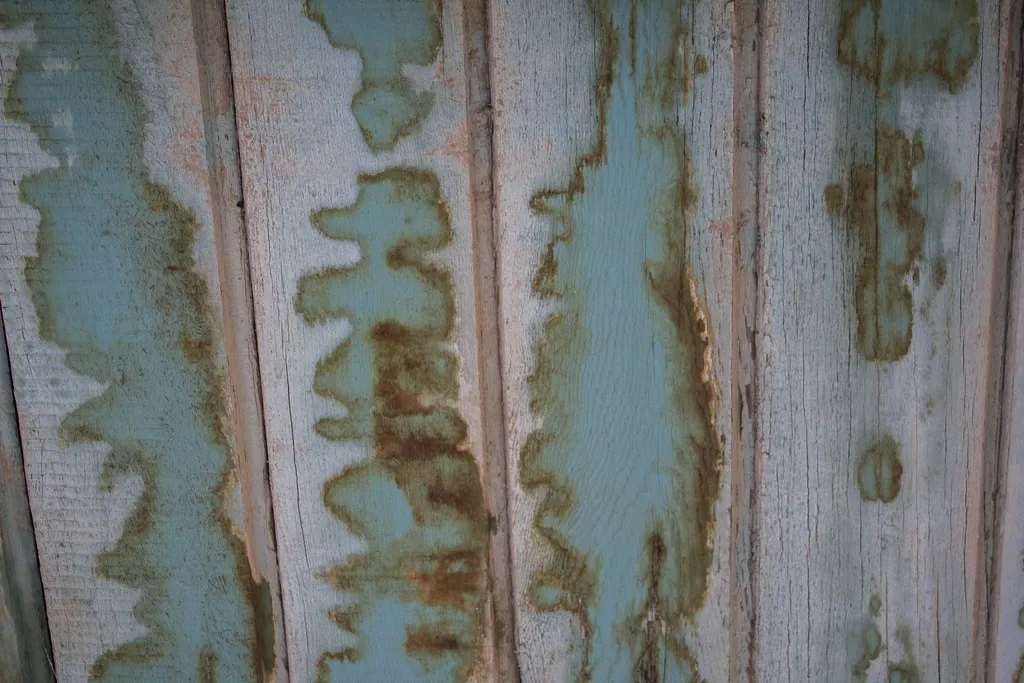
Drag the handle on any photo to compare. Illustrative stock photos — not this company's own jobs.

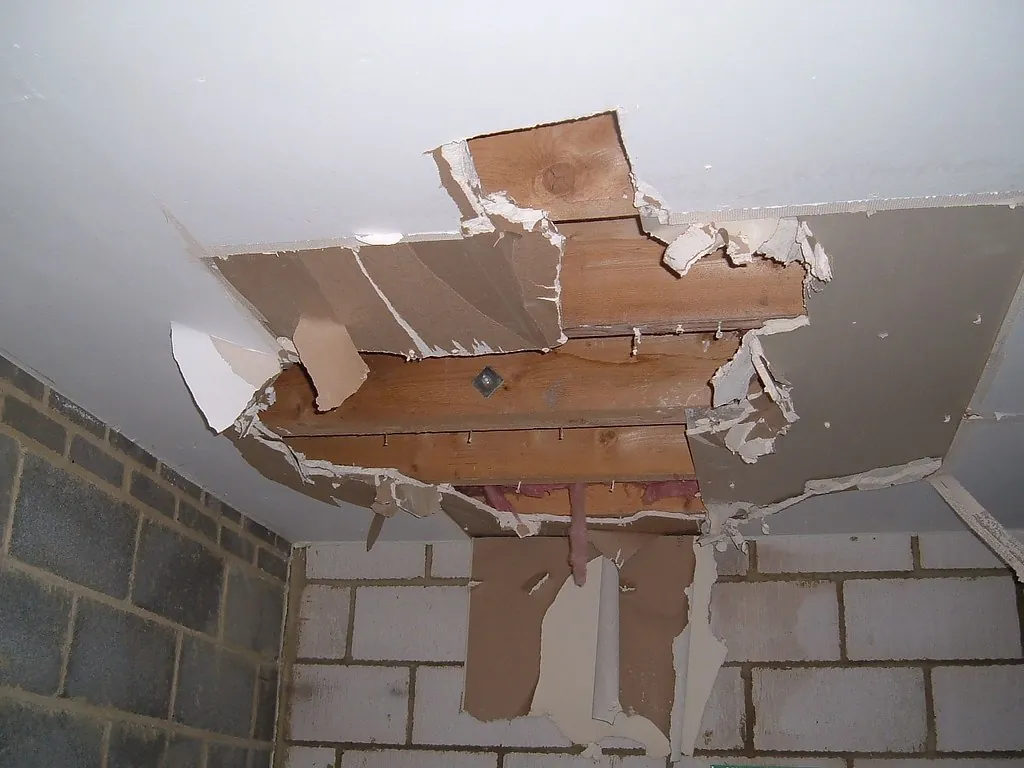
Water from the bathroom above — traced, dried and refinished.
Photos are illustrative stock images showing the kind of result extraction and drying aim for.
Water damage restoration in Fort Worth starts with one call. When you call {{PHONE}}, you speak with an independent local restoration contractor who handles water extraction, drying and repairs across Fort Worth, TX. Water damage covers more than a flooded room: a burst pipe behind a wall, a slow slab leak under the floor, storm water through a door, a sewage backup or a ceiling stain from an AC drain all count, and all of them get worse the longer wet materials sit. The first three steps stay the same whatever the cause: stop the water if you can do so safely, keep people clear of water near power, and photograph the damage before anything is moved or cleaned. Help covers 32 Fort Worth ZIP codes, from Downtown and the Near Southside to Alliance and Southwest Fort Worth, for homes and for commercial buildings.
Fort Worth homes face a particular mix of water risks, and the service is built around them. Hard freezes can split pipes in attics and exterior walls, expansive clay soil can stress the pipes beneath a slab, summer storms can push water under doors and through roofs, and older homes in areas such as Fairmount, Arlington Heights and Rivercrest often hide original plumbing behind plaster and hardwood. A contractor who works in Fort Worth every week already knows these patterns, and that local knowledge shapes what gets checked first when the call comes in.
One call is the whole front door. There is no form to fill in and no waiting for an email reply: you call {{PHONE}}, describe what you can see and smell, and the contractor you speak with talks through the next steps on that call. The service covers residential and commercial buildings, and it covers 32 Fort Worth ZIP codes, so most callers are already inside the service area. If you are unsure whether your street is covered, the service areas page lists the ZIP codes by area, and the frequently asked questions answer the questions Fort Worth homeowners ask most.
Every water loss follows the same order of work, but the cause decides the details. Water extraction and drying comes first in almost every job: standing water is pulled out, then air movers and dehumidifiers dry the structure until moisture readings confirm it is dry. Burst pipe water damage adds a shutoff-first sequence and repairs to the pipe and the wall or floor around it, while storm and flood cleanup deals with water that came from outside, which is often contaminated and needs a different approach to removal and disinfection.
The other three services cover the quieter causes. Sewage backup cleanup treats Category 3 black water as a health hazard, with containment and disinfection before any drying begins. Slab leak water damage starts with the signs of a leak under the foundation and ends with drying once the leak itself is fixed. AC leak and ceiling damage traces a ceiling stain back to its source, whether that is a condensate drain, a roof leak or an upstairs bathroom. The full list, with guidance on which service fits which situation, is on the water damage services page.
Water damage services in Fort Worth, TX: extraction, drying, burst pipes, flooding, sewage cleanup and slab leaks. One call connects you to
Standing water in your Fort Worth home? Extraction comes first: truck-mounted and portable units pull water fast, then drying begins. Call n
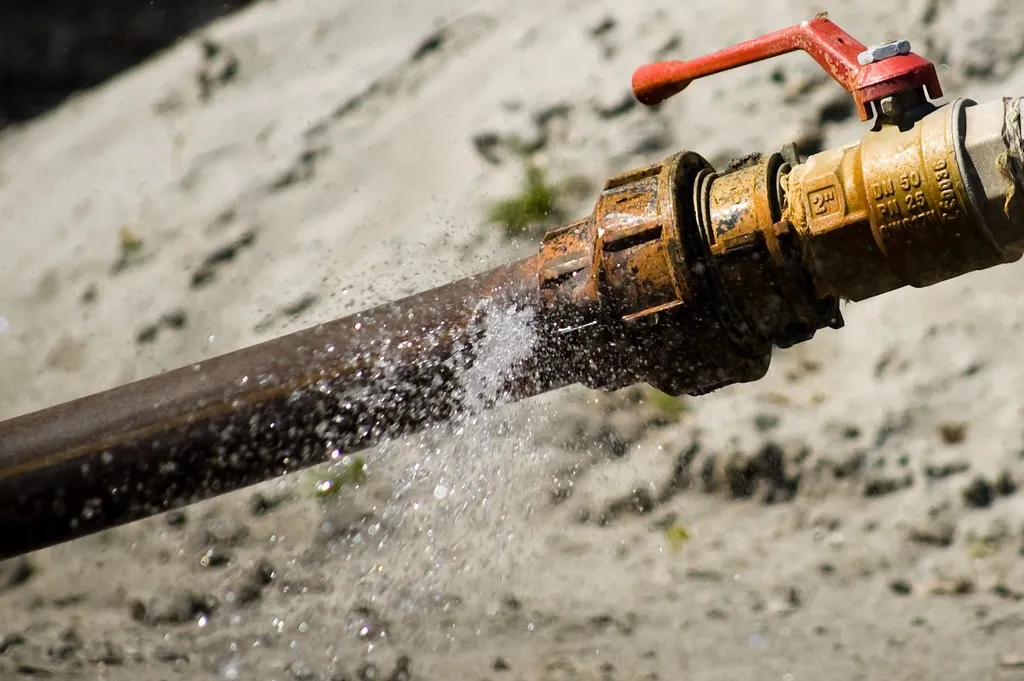
Burst pipe flooding your Fort Worth home? Shut off the main, then call: extraction, drying and repairs for burst and frozen pipes. One call
Storm or flood water in your Fort Worth home? Cleanup, extraction and drying for storm intrusion and flooding, plus help documenting the los

Sewage backup in Fort Worth? Category 3 black water is a health hazard, not a mop job. Containment, removal, disinfection and drying. Call n
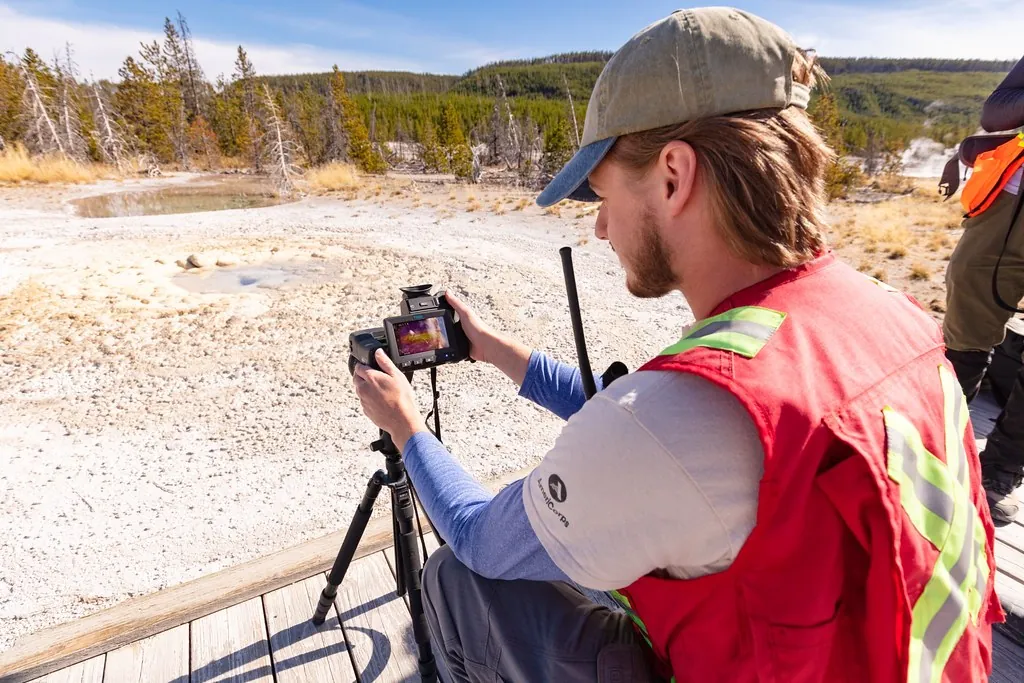
Slab leak soaking your Fort Worth home from below? Warm spots, high water bills and damp floors are clues. Drying and repairs after a slab l
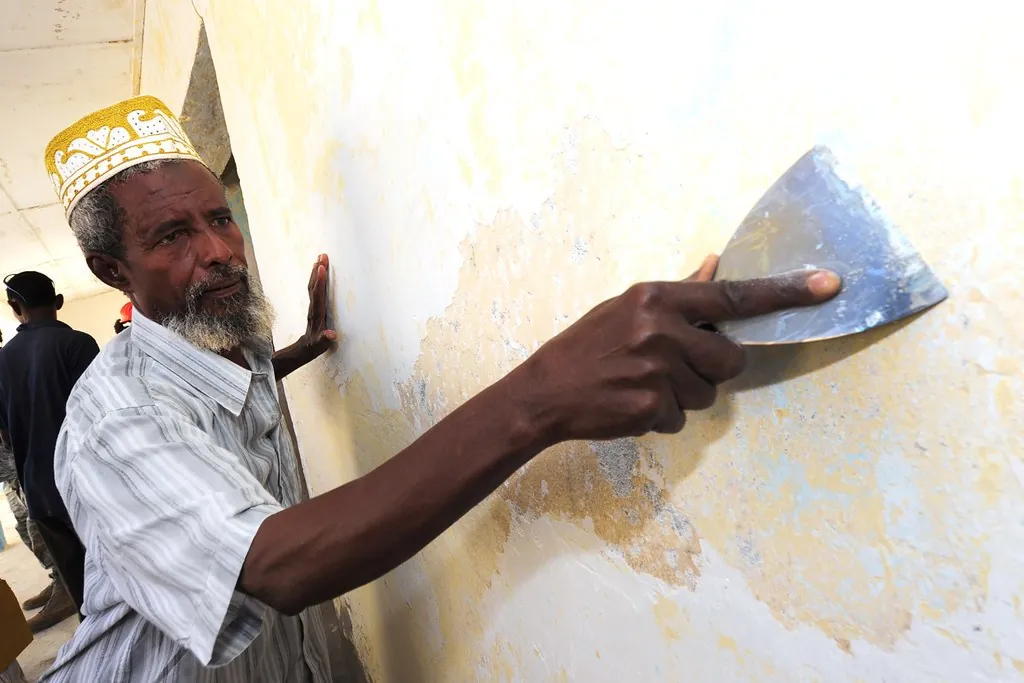
AC leak or stained ceiling in Fort Worth? Drying, ceiling repair and leak-source help for AC condensate, roof and upstairs leaks. Call now f
The call itself is a working conversation, not a booking form. You will be asked where the water is, what you think caused it, which rooms are affected, whether the water is still spreading, and whether there is any sewage or any water near power. Those answers decide what the contractor brings and what you should do before anyone arrives. Have your ZIP code ready, and if you can, note when you first noticed the problem and whether anything has changed since.
Once help is on the way, the job follows a clear sequence. Standing water is extracted first, because drying cannot start while water is still pooling. Wet materials are checked with moisture meters, and anything that cannot be dried or safely cleaned is removed. Drying equipment is then set up and left to run, with readings taken over the following days to confirm when the structure is genuinely dry. Drying commonly takes several days, and the readings decide when it is finished, not the calendar. Repairs come after drying, once the structure is confirmed dry and the source of the leak has been dealt with.
Photographs matter throughout. Take wide shots of every affected room and close shots of water lines, damaged items and the apparent source of the leak before anything is moved. Those photographs support an insurance claim and give the contractor a record of how far the water travelled. The first-hour guide walks through these steps in order, and the emergency water damage page covers situations where water is spreading now.
Coverage follows the 32 Fort Worth ZIP codes in the service area, grouped by real neighbourhoods rather than by postcode alone. Downtown and Sundance Square bring high-rises, lofts and offices where a leak on one floor can reach the rooms below. The Near Southside, Fairmount, Ryan Place and Berkeley hold older homes where plaster walls and original plumbing need careful drying. Around TCU, Westcliff and Tanglewood, mid-century and newer homes more often suffer supply-line and appliance leaks, while Arlington Heights, the Cultural District, Mistletoe Heights and Crestwood mix historic homes with hardwood floors that need a slower, measured drying approach.
Further out, the pattern changes again. Ridglea and the Hulen corridor sit on slabs where a slab leak is a realistic first suspicion, and Westover Hills and Rivercrest hold larger older homes where water can spread across several rooms before anyone notices. In far north Fort Worth, Alliance, Park Glen and Heritage Village are newer subdivisions with newer plumbing, where storm intrusion and appliance leaks are the more common causes. On the east side, Stop Six, Polytechnic, Handley and Riverside hold older housing stock where supply lines and storm water both play a part, and in the south, Morningside and Wedgwood mix older and newer homes along the same streets. The service areas page lists every ZIP code by area so you can check your own.
Twelve Fort Worth areas across 32 ZIP codes.
Water damage help across Fort Worth, TX: 32 ZIP codes covered, from Downtown and the Near Southside to Alliance and Southwest Fort Worth. Fi

Water damage in Downtown Fort Worth? High-rises, lofts and offices need extraction and drying. One call connects you with a local contractor
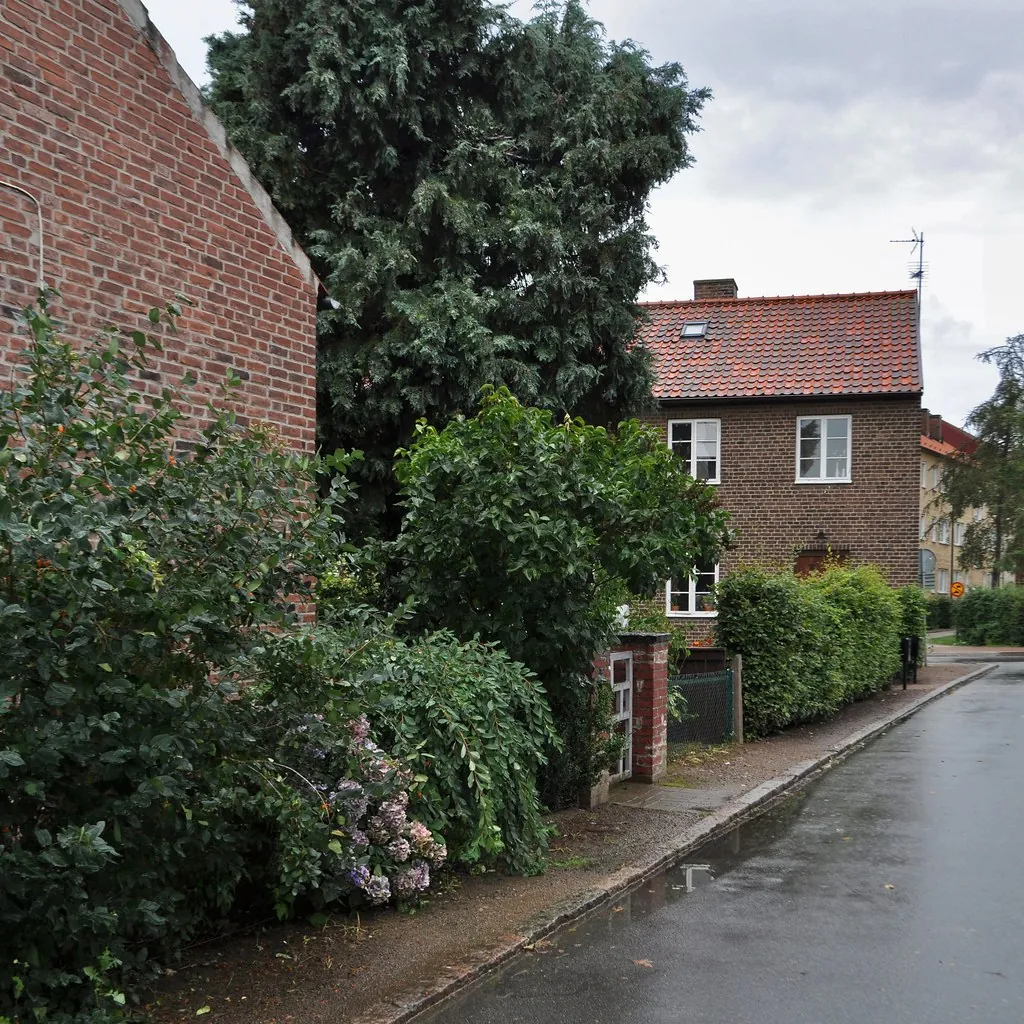
Water damage in Fort Worth's Near Southside or Fairmount? Older homes, plaster walls and original plumbing need careful drying. Call now for
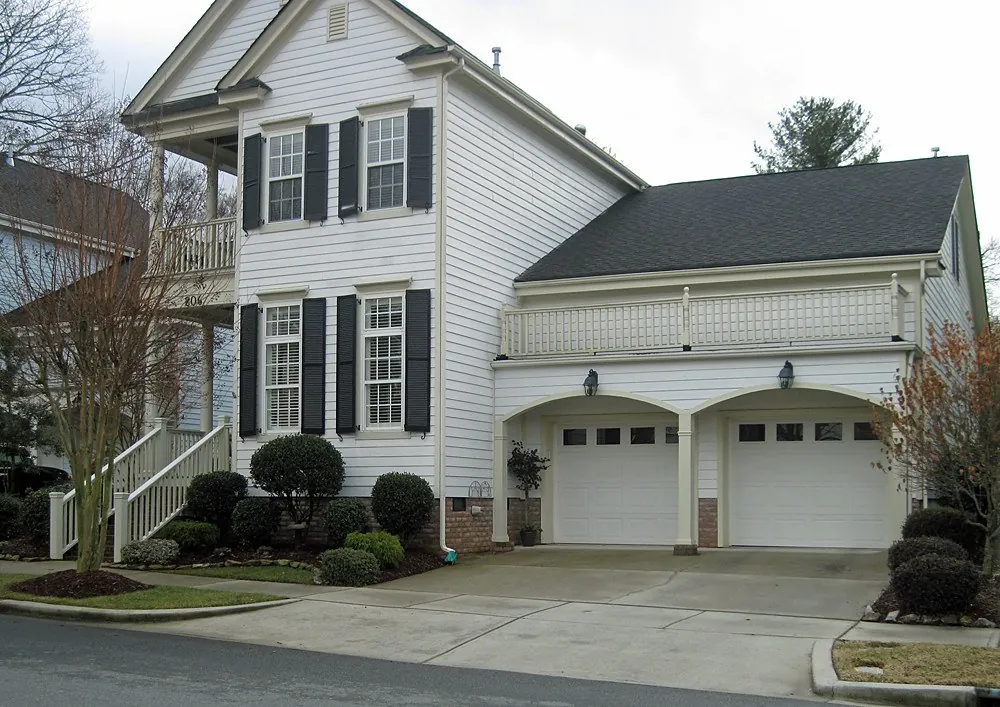
Water damage near TCU or Westcliff in Fort Worth? One call connects you with an independent local restoration contractor. Fast extraction an
Water damage in Arlington Heights or the Cultural District? Historic homes with original plumbing need careful drying. Call now for local he
Water damage in Ridglea, Fort Worth? Mid-century homes on slabs need slab-leak checks and careful drying. One call connects you to a local p
Water damage in Alliance or far north Fort Worth? Newer subdivisions, PEX lines and slab foundations. Fast extraction and drying. Call now f
Water damage in Park Glen or Heritage Village, Fort Worth? One call connects you with an independent local restoration contractor. Call now
Water damage in Westover Hills or Rivercrest, Fort Worth? Larger, older homes need careful drying and hardwood care. Call now for local help
Water damage in Stop Six or Polytechnic, Fort Worth? One call connects you with an independent local restoration contractor. Call now for fa

Water damage in North Fort Worth? From Alliance to Park Glen, one call connects you with an independent local restoration contractor. Call n
Water damage in Southwest Fort Worth? Ridglea, Westover Hills and the Hulen corridor. One call connects you with a local contractor. Call no
Water damage in East Fort Worth? Stop Six, Polytechnic and the east side. One call connects you with an independent local restoration contra
Frozen and burst pipes are the cause most Fort Worth homeowners think of first, and for good reason: a hard freeze hit Texas in February 2021, and pipes in attics, garages and exterior walls are the ones that split when temperatures drop. High water pressure, ageing pipe materials and corrosion cause failures in warmer weather too, so a burst pipe is not only a winter problem. The burst pipe page explains why pipes fail here and what to do first, including where to find the main shutoff valve.
Storms bring a different kind of water. Heavy rain can overwhelm gutters and drains, push water under doors, and find its way through a damaged roof, and flash flooding can bring water in at ground level. Because that water has travelled across roofs, streets and soil, it is treated as contaminated until it is assessed, which changes how cleanup is done. The storm and flood cleanup page explains the water categories and what each one means for your home.
Then there are the slow causes: a slab leak under the foundation, a condensate drain backing up above a ceiling, a water heater or washing-machine supply line giving way, or a sewer lateral blocking and sending wastewater back into the lowest drain. Slow leaks cause the most hidden damage because they can run for weeks before a stain, a smell or a water bill gives them away. Whatever the cause, the response is the same: stop the water, stay safe around power, photograph everything, and call {{PHONE}} so extraction and drying can begin.
When you call {{PHONE}}, you speak with an independent local restoration contractor who will ask about your situation and talk through the next steps and scheduling on that call. Timing depends on the job, the area and the contractor's current workload, so no arrival time is promised on this page. If water is still spreading, shut off the main valve first if you can reach it safely, then call.
Restoration usually means extraction of standing water, drying with air movers and dehumidifiers until moisture readings confirm the structure is dry, removal of materials that cannot be dried or safely cleaned, and repairs once drying is complete. The exact scope depends on the water category, how far the water travelled and which materials are affected. The contractor you speak with will explain what applies to your job before work begins.
Help covers 32 Fort Worth ZIP codes, from Downtown and the Near Southside to Alliance, Park Glen, Ridglea, Stop Six and Southwest Fort Worth, for homes and commercial buildings. The service areas page lists every ZIP code grouped by area, so you can check your own in a moment. If your ZIP code sits on the edge of the area, mention it on the call and the contractor will confirm coverage.
It depends on the cause and on your policy. Sudden and accidental leaks, such as a burst pipe, are often covered, while gradual leaks that went unnoticed for a long time and rising flood water usually are not. Photograph everything before cleanup, keep a list of damaged items, and read the Texas homeowners insurance guide on this site before you file a claim.
Shut off the main water valve if you can reach it safely, and stay out of water that is near outlets, switches or the electrical panel. Photograph every affected room and the apparent source of the leak, then move valuables, rugs and soft furnishings out of the water if you can do so without wading through it. Do not use a household vacuum on standing water, and do not touch sewage-contaminated water at all.
One call connects you with an independent local restoration contractor. Help is available day and night.