Water Extraction and Drying in Fort Worth, TX
Standing water in your Fort Worth home? Extraction comes first: truck-mounted and portable units pull water fast, then drying begins. Call n
Water damage services in Fort Worth, TX: extraction, drying, burst pipes, flooding, sewage cleanup and slab leaks.
Water damage services in Fort Worth, TX: extraction, drying, burst pipes, flooding, sewage cleanup and slab leaks. One call to {{PHONE}} connects you with an independent local restoration contractor who handles the work for your situation. Every service on this page follows the same order: stop the water, extract what is standing, dry the structure until moisture readings confirm it is dry, and repair what cannot be saved only after drying is complete. The six services below are organised by cause, so you can find the one that matches your problem and read what it involves before you call.
Some water damage cannot wait for a convenient appointment. Water spreading through a home now, a burst pipe, a flooded house, a sagging ceiling or a sewage backup all need help that starts with a phone call and a clear first step. The emergency water damage page explains what to do first in each of these situations, including shutting off the main valve, staying clear of water near power, and photographing the damage before anything is moved.
Emergency help still follows the same sequence as any other job: extraction first, then drying, then repairs. The difference is the starting point, because the source of the water has to be stopped and the immediate danger dealt with before the longer work begins. If you are unsure whether your situation counts as an emergency, call {{PHONE}} and describe what you can see; the contractor you speak with will talk through the next steps on that call.
The cause of the water decides the service. A burst pipe needs the main valve shut off first, then extraction, drying and repairs to the pipe and the surrounding wall or floor. Storm and flood water comes from outside and is often contaminated, so cleanup means extraction, removal of what cannot be saved, disinfection and drying. A sewage backup is Category 3 black water and a health hazard, so containment comes before anything else.
The quieter causes have their own pages too. A slab leak hides under the foundation and is found through its signs, such as warm floor spots and a water bill that jumps, before any drying can begin. An AC leak or ceiling stain is traced back to its source, whether that is a condensate drain, a roof leak or an upstairs bathroom. If you do not know the cause, start with water extraction and drying, which is the first step in almost every job.
Drying is the centre of every service on this page. Once standing water is extracted, air movers and dehumidifiers dry the structure, and moisture meters are used to check progress until readings confirm the structure is genuinely dry. Drying commonly takes several days, and the readings decide when it is finished, not the calendar. Rushing this stage stores up trouble, because rebuilding over damp materials can hide moisture that causes damage later.
Restoration, in the sense of repairs and rebuilding, comes after drying. Drywall, flooring and other materials that could not be dried or safely cleaned are removed during the drying stage, and the repair work follows once the structure is confirmed dry and the source of the leak has been dealt with. The extraction and drying page explains the equipment and the moisture-verification rule in detail, and the drying guide explains what makes drying slower.
The services on this page cover homes and commercial buildings across 32 Fort Worth ZIP codes. Homes range from Downtown lofts and older houses in Fairmount and Arlington Heights to slab homes in Ridglea and newer subdivisions in Alliance and Park Glen, and each type brings its own drying considerations. Commercial buildings bring larger areas, more rooms affected at once, and the need to keep parts of the building usable while drying runs.
Whatever the building, the first step is the same: call {{PHONE}} and describe the problem. The contractor you speak with will ask about the building, the source of the water and the areas affected, then talk through the next steps on that call. The service areas page lists the ZIP codes covered, and the frequently asked questions answer the questions that come up most often before a call.
Standing water in your Fort Worth home? Extraction comes first: truck-mounted and portable units pull water fast, then drying begins. Call n
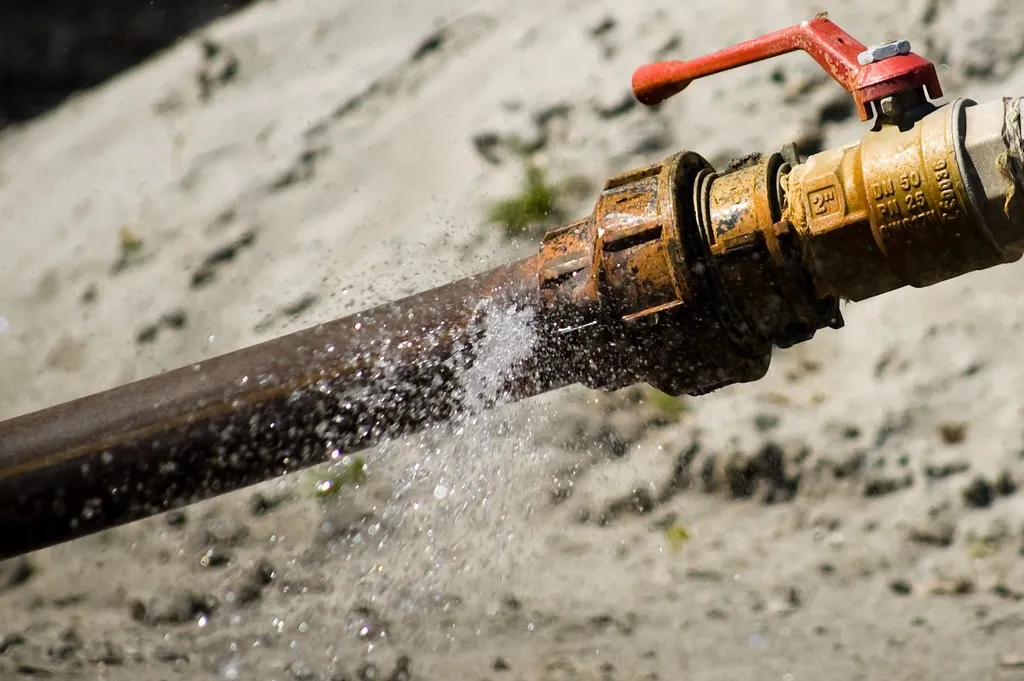
Burst pipe flooding your Fort Worth home? Shut off the main, then call: extraction, drying and repairs for burst and frozen pipes. One call
Storm or flood water in your Fort Worth home? Cleanup, extraction and drying for storm intrusion and flooding, plus help documenting the los
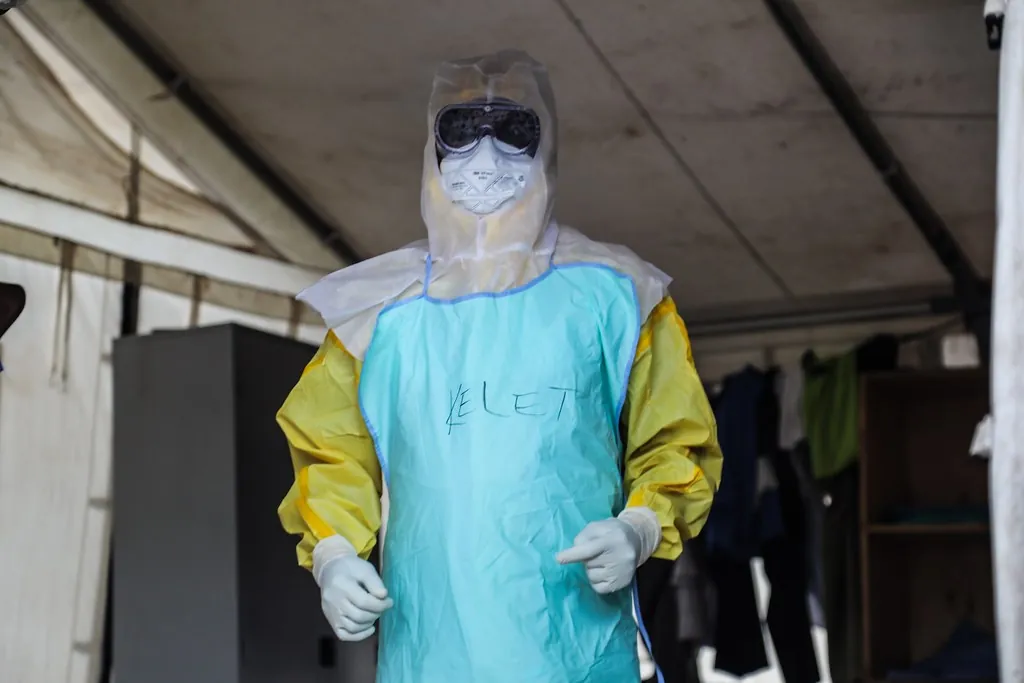
Sewage backup in Fort Worth? Category 3 black water is a health hazard, not a mop job. Containment, removal, disinfection and drying. Call n
Slab leak soaking your Fort Worth home from below? Warm spots, high water bills and damp floors are clues. Drying and repairs after a slab l
AC leak or stained ceiling in Fort Worth? Drying, ceiling repair and leak-source help for AC condensate, roof and upstairs leaks. Call now f
One call connects you with an independent local restoration contractor. Help is available day and night.